Diamond Bin & Column Configurations: Versatile Cellar Layouts
When orchestrating a sophisticated wine cellar, the interplay between functionality and visual splendor demands meticulous consideration. Diamond bin and column configurations emerge as paramount solutions for discerning collectors seeking to maximize storage capacity while maintaining architectural elegance. These versatile arrangements transform utilitarian spaces into curated showcases that honor both your collection's breadth and the refined aesthetic expectations of luxury residences.
Understanding Diamond Bin Architecture
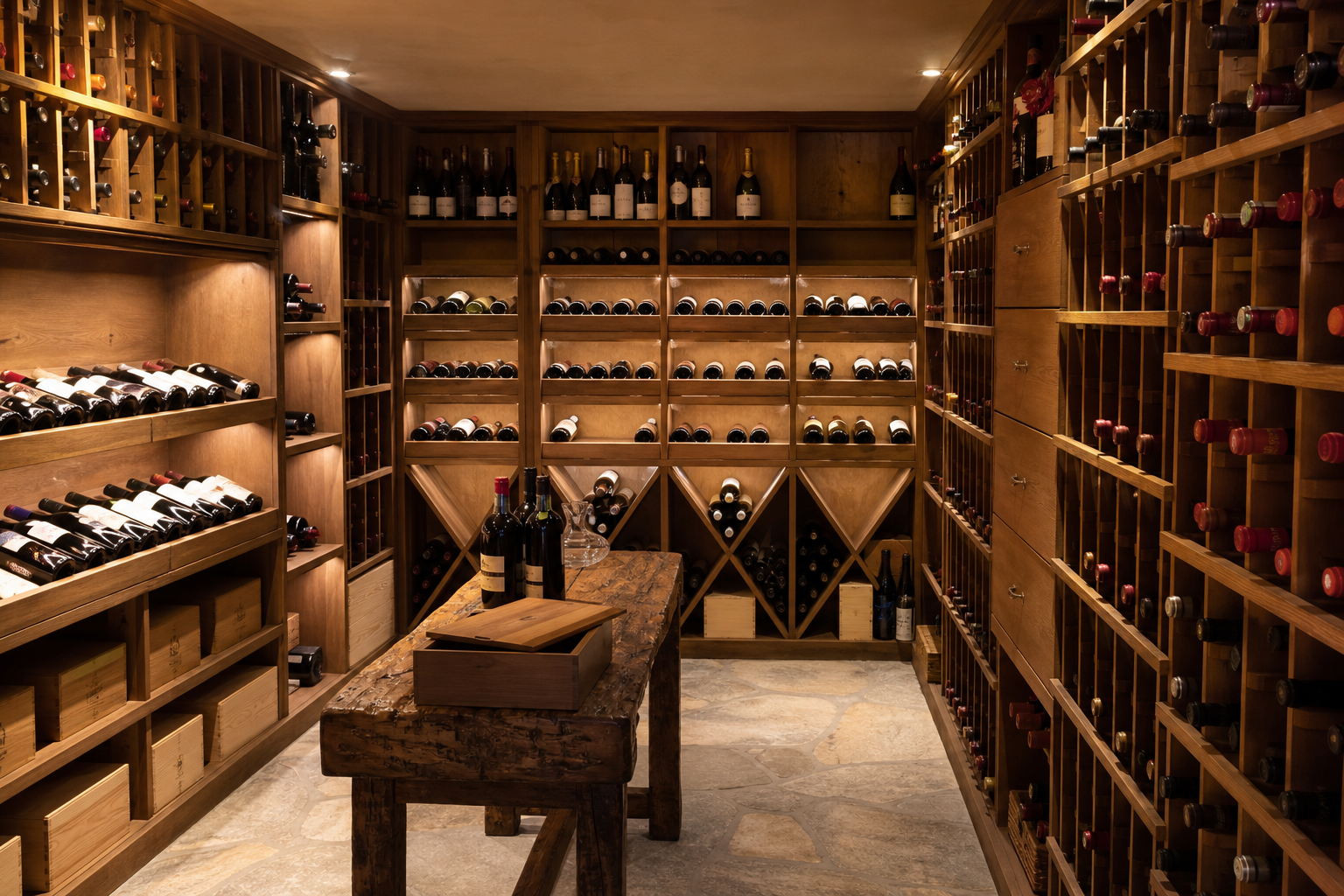
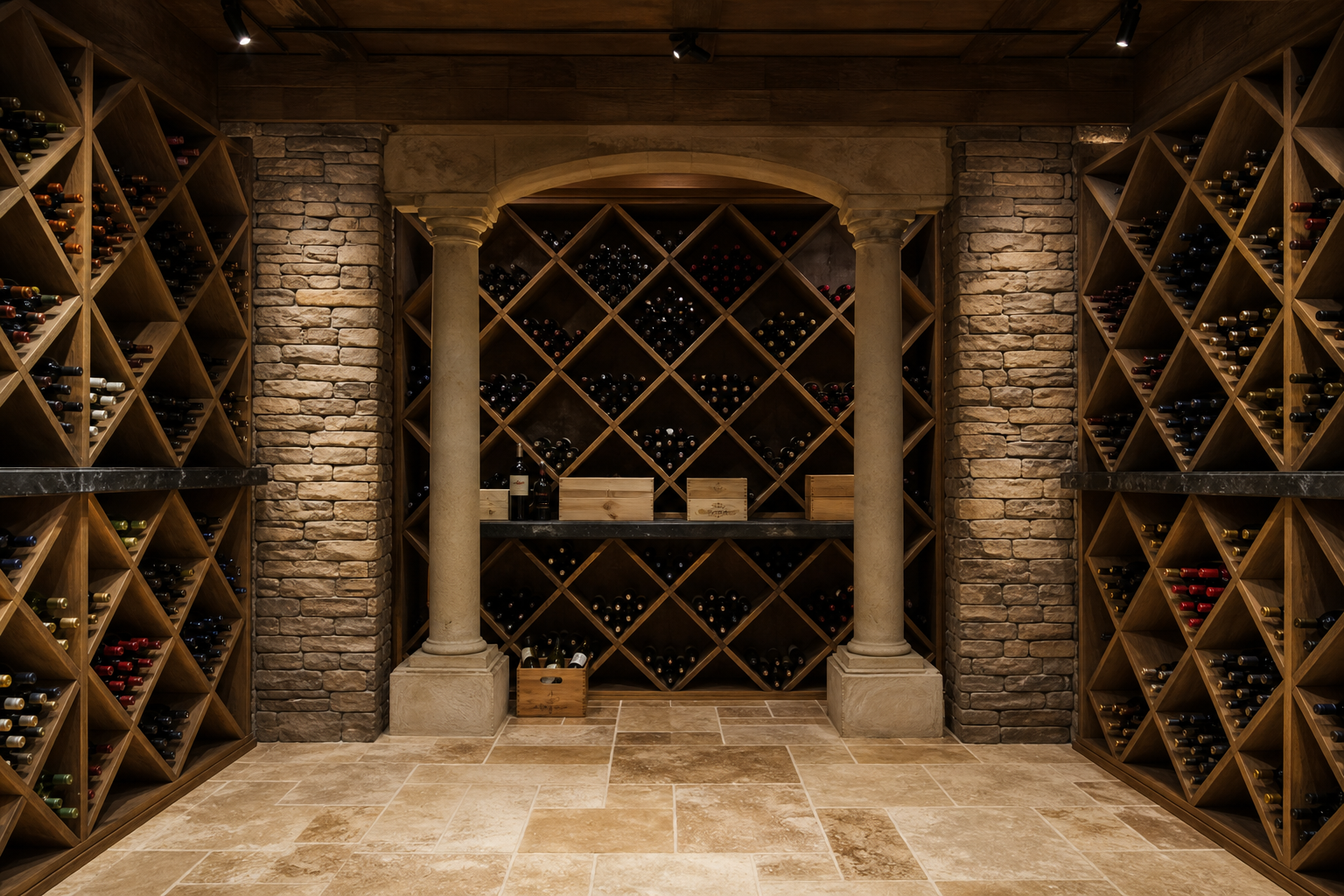
Diamond bins represent an ingenious spatial solution that capitalizes on angular geometry to create expansive storage pockets. Unlike conventional rectilinear modules, these configurations rotate the traditional square format forty-five degrees, generating diamond-shaped compartments that cradle bottles at optimal angles. This distinctive arrangement not only amplifies visual intrigue but facilitates superior bottle accessibility—a critical consideration when navigating extensive collections during selection moments.
The latticed framework inherent to diamond bins permits airflow circulation throughout the cellar environment, maintaining consistent microclimatic conditions essential for proper wine maturation. Each bottle nestles securely within its dedicated alcove, minimizing vibration transfer and label abrasion—two factors that can compromise aging potential over extended periods.
Column Configurations for Vertical Emphasis
Columnar storage systems introduce verticality into wine cellar layout ideas, drawing the eye upward while efficiently utilizing often-overlooked ceiling height. These stately pillars can anchor room corners or punctuate expansive wall installations, creating architectural rhythm that elevates the entire spatial composition. Floor-to-ceiling columns particularly suit properties with generous vertical clearance, transforming cubic volume into productive storage real estate.
Integrating columns alongside diamond bins establishes dynamic tension between linear discipline and geometric playfulness. This juxtaposition prevents monotony while maintaining the organizational coherence that serious collectors require. The columns themselves can accommodate larger format bottles—magnums, jeroboams, and beyond—that standard racking cannot properly support.
Practical Considerations for Luxury Installations
Capacity Planning and Bottle Distribution
Before committing to specific configurations, conduct a thorough audit of your current inventory and projected acquisition trajectory. Diamond bins excel at housing standard 750ml Bordeaux and Burgundy bottles, while column segments should be reserved for specialty formats and frequently accessed vintages. This strategic distribution streamlines retrieval operations and preserves the integrity of long-term aging bottles.
Elite Storage Solutions for Discerning Collectors
For those seeking turnkey implementation of these sophisticated layout principles, purpose-engineered systems offer immediate deployment advantages. The 176-Bottle Elite Kit with individual slat construction exemplifies how modular components can harmonize diamond bin aesthetics with structural resilience. Its thirty-six-inch width accommodates standard wall spans while maintaining the architectural proportions essential to luxury installations.
This configuration provides the foundational framework for establishing coherent storage zones within larger cellar projects, allowing expansion as your collection matures without compromising initial design integrity.
Material Selection and Aesthetic Coherence
The materiality of your racking system profoundly influences both functional performance and atmospheric character. Premium hardwoods—mahogany, walnut, cherry—impart warmth and gravitas befitting high-end residential environments. Alternative cable wine systems introduce contemporary minimalism, suspending bottles within tensioned stainless steel frameworks that foreground the collection itself rather than the supporting infrastructure.
The finest cellars balance preservation science with curatorial presentation, transforming practical storage into immersive experiences that celebrate viticultural artistry.
Illumination Strategies for Diamond and Column Layouts
Lighting design requires particular nuance when working with geometric configurations. Diamond patterns generate complex shadow play that can either enhance three-dimensionality or create visual confusion. Low-voltage LED strips concealed within racking channels provide targeted illumination without generating heat that could destabilize cellar temperatures. Position fixtures to graze bottle necks at oblique angles, creating shimmer across glass surfaces while leaving label faces legible.
Column installations benefit from uplighting techniques that emphasize their stately verticality. Recessed floor fixtures positioned at column bases cast dramatic shadows ceiling-ward, accentuating architectural form after daylight hours.
Integration with Climate Management Systems
Even the most exquisite layout fails without proper environmental regulation. Diamond bin configurations naturally promote air circulation, but strategic placement relative to cooling unit discharge vents ensures comprehensive temperature distribution. Maintain minimum three-inch clearances between racking perimeters and exterior walls to facilitate ventilation and prevent condensation accumulation that could damage both bottles and structural components.
Advanced collectors should consider zoned cooling capabilities that maintain distinct microclimates for various wine styles—cooler zones for sparkling wines, slightly warmer sectors for mature reds approaching drinking windows.