Summer Wine Cellar Cooling: Protecting Your Investment in Heat
Understanding the Thermal Threat to Your Collection
Summer's ascending mercury poses an insidious threat to fine wine collections. When ambient temperatures surge beyond optimal thresholds, even the most meticulously curated cellar becomes vulnerable. Heat accelerates chemical reactions within bottles, compromising aromatics, degrading tannin structures, and prematurely aging vintages that represent significant financial and emotional investments. For serious collectors and hospitality professionals, understanding thermal dynamics is paramount to preservation.
Wine's delicate constitution demands consistent temperatures between 55°F and 58°F. Fluctuations exceeding ten degrees can provoke cork expansion and contraction, allowing oxygen ingress that spoils precious liquid. Summer's relentless warmth transforms unprotected storage spaces into hostile environments where irreversible damage occurs silently. Establishing robust summer wine cellar cooling solutions becomes not merely advisable but essential.
Professional-Grade Cooling Infrastructure
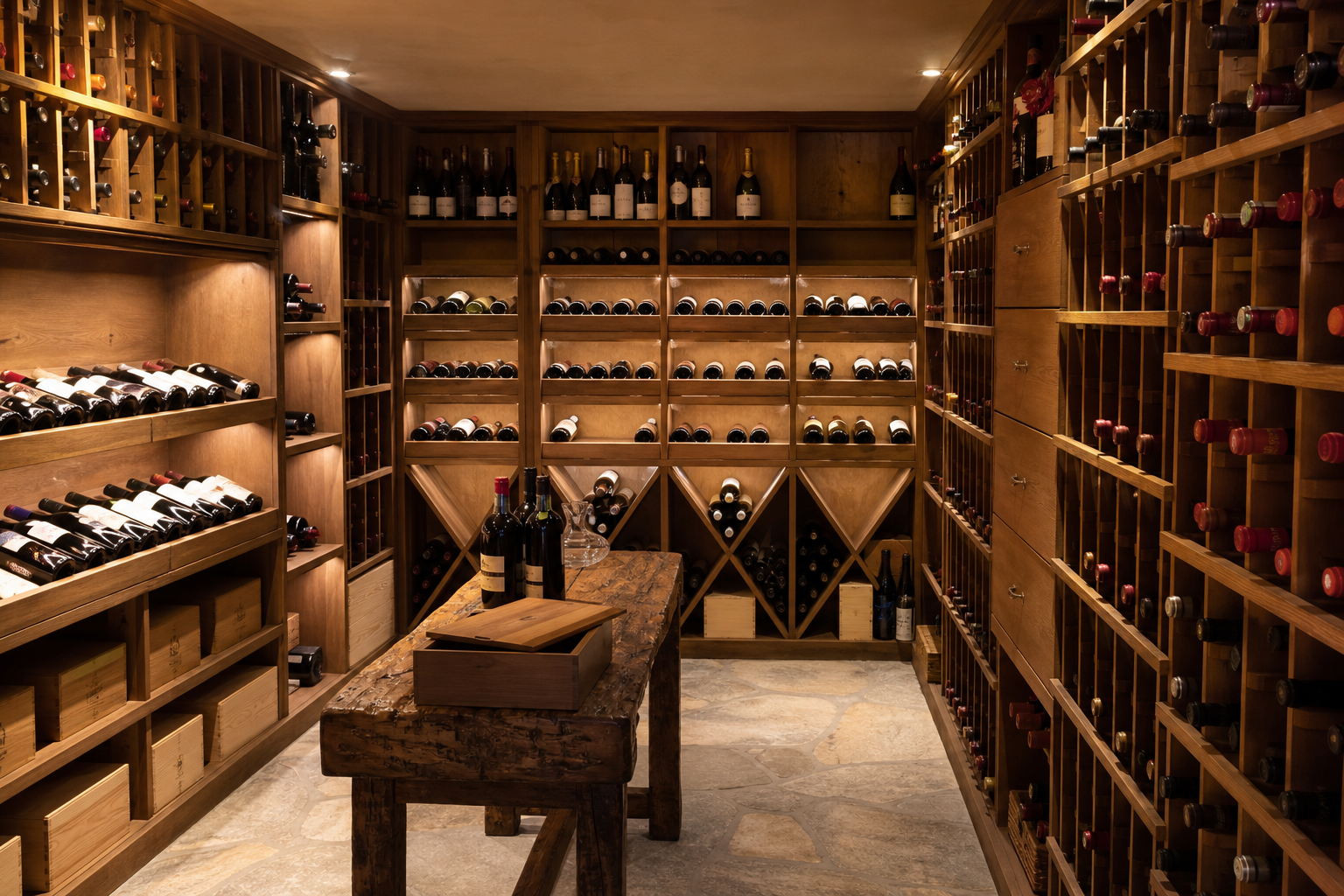
Distinguished collections merit sophisticated thermal management systems engineered specifically for vinous preservation. Generic air conditioning units lack the precision, humidity control, and continuous operation capabilities required for cellar environments. Purpose-built cooling apparatus maintains stable microclimates regardless of external meteorological conditions.
WhisperKool Climate Control Systems
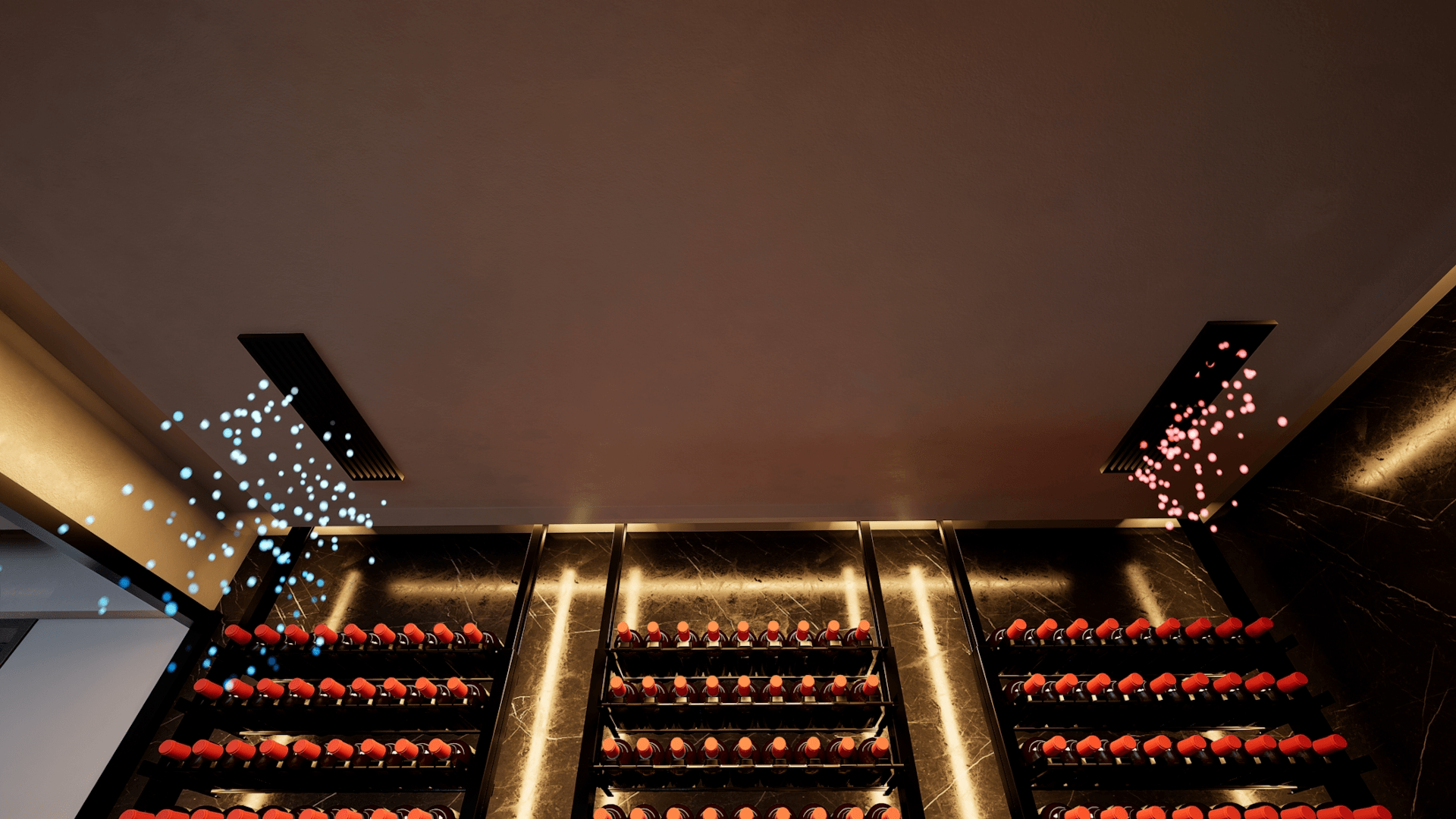
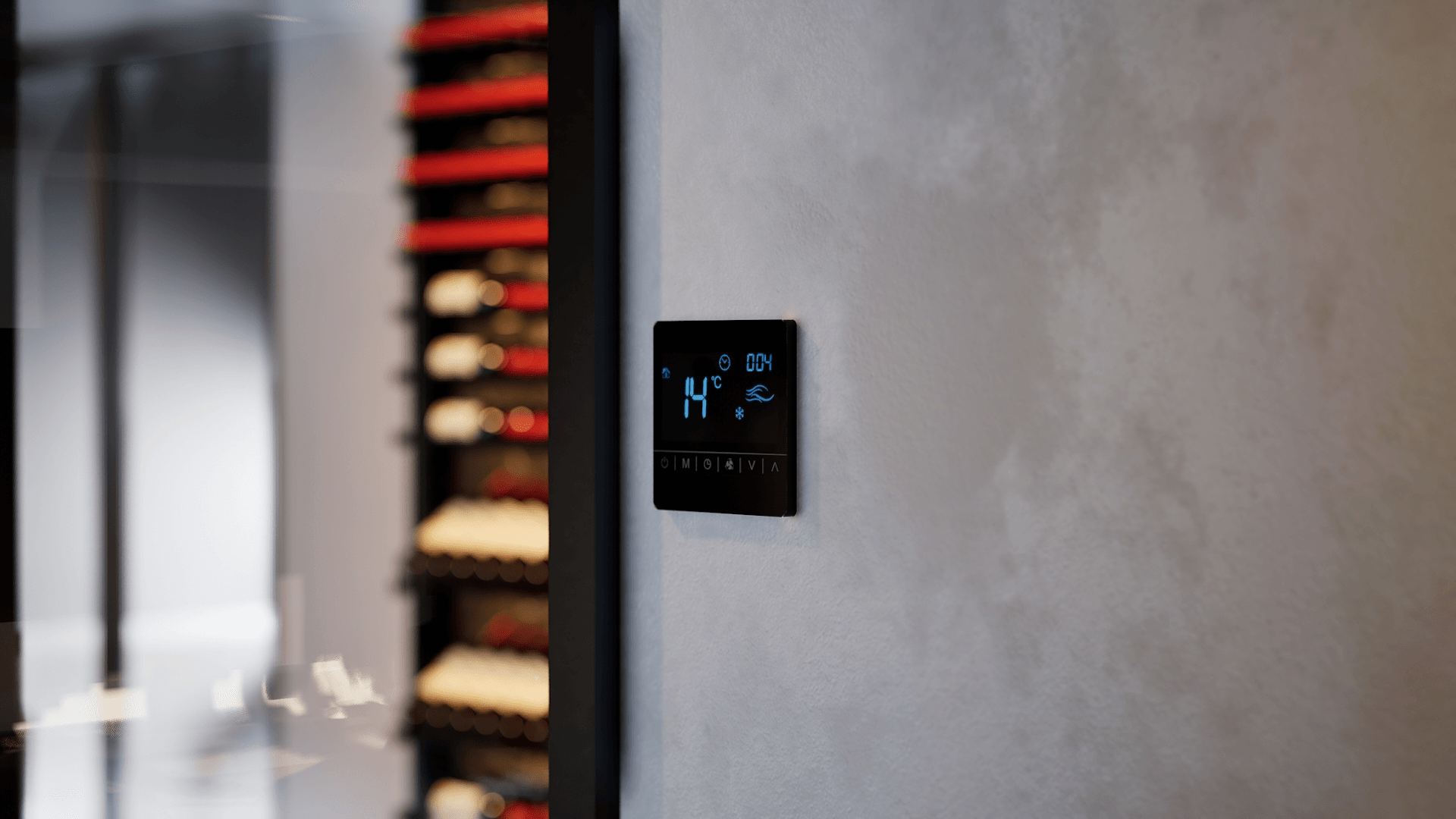
For discerning collectors seeking uncompromising performance, specialized cooling solutions deliver whisper-quiet operation paired with industrial-grade reliability. These systems integrate seamlessly into luxury wine storage architecture, preserving both bottle integrity and aesthetic refinement. Advanced units feature digital controllers, automatic defrost cycles, and humidity stabilization—critical components for summer's challenging conditions.
Installation considerations extend beyond mere BTU calculations. Proper ducting, insulation specifications, and vapor barriers form the foundation of effective thermal management. High-end residential developments and commercial hospitality venues require bespoke engineering that accounts for cellar volume, bottle capacity, geographic climate zones, and architectural constraints. Professional consultation ensures optimal equipment selection and configuration.
Insulation and Architectural Fortification
Cooling equipment represents only one component of comprehensive summer protection strategies. The cellar envelope itself must function as a thermal fortress. Superior insulation materials—particularly closed-cell spray foam achieving R-values exceeding 30—create impenetrable barriers against heat infiltration. Vapor retarders prevent moisture transmission that compromises both wine and structural elements.
Cellar doors warrant particular attention. Standard residential doors provide inadequate sealing, allowing conditioned air to escape and warm air to penetrate. Specialized wine cellar portals incorporate weather stripping, thermal breaks, and substantial core materials that maintain environmental separation. Glass elements should feature dual-pane construction with low-emissivity coatings to minimize radiant heat transfer while showcasing your collection.
Monitoring and Preventative Protocols
Vigilant oversight transforms reactive damage control into proactive preservation. Contemporary monitoring systems transmit real-time temperature and humidity data to smartphones, enabling immediate response to equipment malfunctions or environmental anomalies. Annual maintenance schedules for cooling apparatus—including coil cleaning, refrigerant level verification, and condenser inspection—prevent catastrophic failures during peak summer demand.
A properly maintained cellar cooling system represents insurance for liquid assets that may appreciate significantly over decades. Neglecting seasonal preparation risks losing irreplaceable bottles and compromising investment returns.
Strategic Collection Management During Heat Waves
Even optimally equipped cellars benefit from thoughtful summer management practices. Consider these protocols:
- Limit cellar access during afternoon temperature peaks to minimize warm air intrusion
- Position recently acquired bottles in cooler zones while they acclimate
- Schedule construction or renovation projects for temperate seasons to avoid thermal stress
- Maintain backup power solutions for cooling systems during summer storm outages
Investment Protection Through Expert Design
Affluent collectors and developers increasingly recognize that premium wine storage infrastructure requires specialized expertise. Complimentary design previews allow homeowners to visualize integrated solutions before implementation, ensuring aesthetic harmony with architectural vision while meeting rigorous functional requirements. Cable wine rack systems, spiral cellar configurations, and bespoke millwork all demand coordination with cooling infrastructure for optimal performance.
Membership programs offering early access to cutting-edge products and design resources empower collectors to stay ahead of preservation technology evolution. As climate patterns intensify and summer temperatures continue climbing, investing in superior cooling solutions protects not only individual bottles but entire collection legacies for future generations.