Wine Storage Tips Every Serious Collector Should Know
Serious oenophiles understand that acquiring exceptional vintages represents only half the equation. Preservation demands equally meticulous attention. The difference between a properly matured Bordeaux and oxidized disappointment often hinges on environmental precision and thoughtful storage methodology.
Temperature Consistency: The Foundation of Proper Cellaring
Temperature fluctuation stands as the arch-nemesis of wine longevity. Maintaining a steadfast 55°F (13°C) creates the optimal environment for gradual maturation. Even seemingly minor deviations—those innocuous five-degree swings—trigger expansion and contraction within the bottle, compromising cork integrity and inviting premature oxidation.
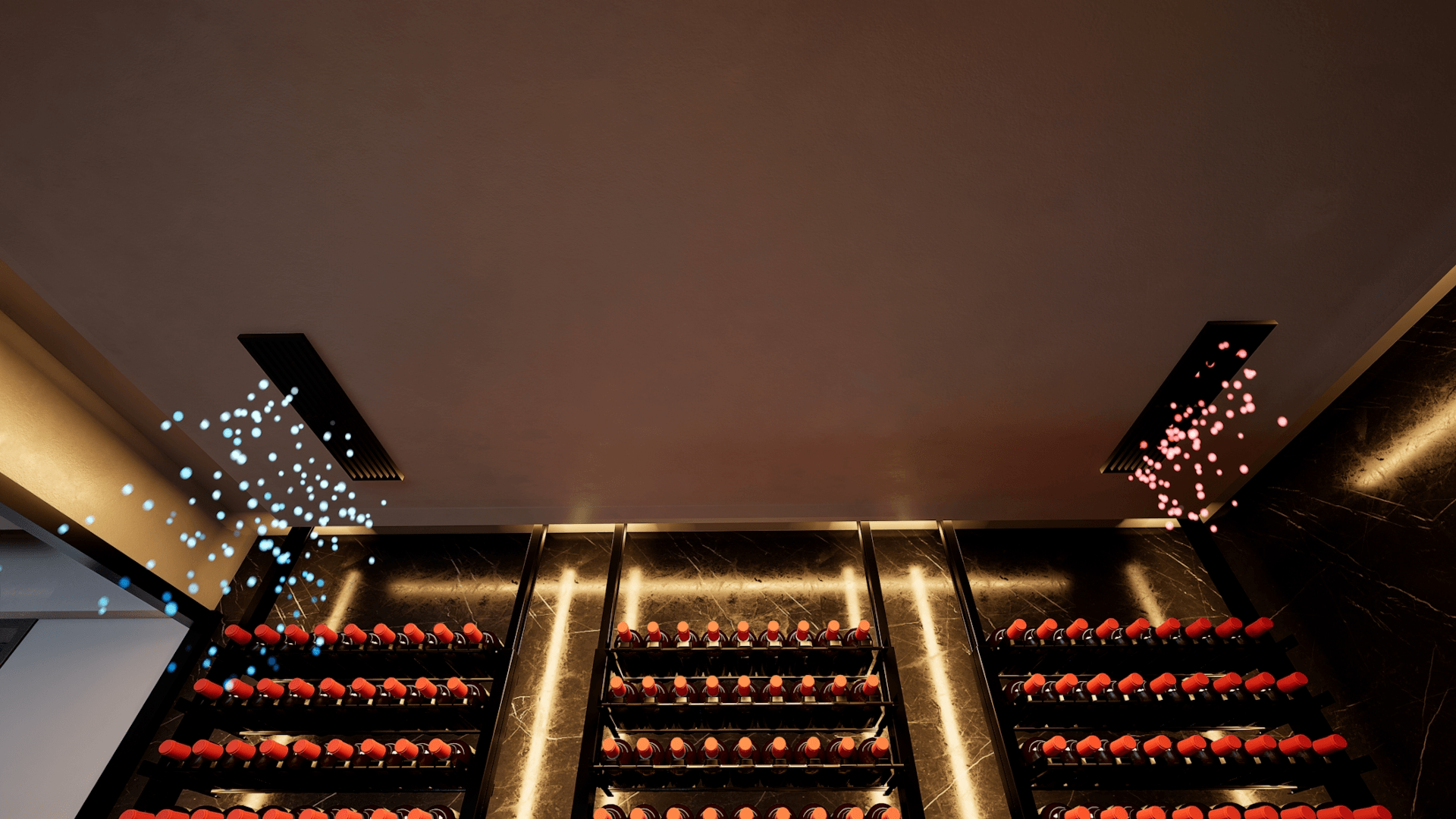
Professional-grade cooling units eliminate these thermal oscillations through sophisticated climate regulation. Unlike standard refrigeration systems, dedicated wine climate control operates continuously at whisper-quiet levels while preventing the vibration that disturbs sediment. Investment in precision cooling technology pays dividends measured in decades of perfectly preserved bottles.
Humidity Management: Protecting Your Investment
The ideal relative humidity hovers between 60-70 percent. This seemingly narrow range serves a critical purpose: preventing cork desiccation while simultaneously deterring mold proliferation.
Dried corks shrink, permitting oxygen infiltration that rapidly degrades wine quality. Conversely, excessive moisture creates conditions where labels deteriorate and fungi colonize wooden racking systems. Quality humidification systems integrated with cooling apparatus maintain this delicate equilibrium effortlessly.
Strategic Positioning and Racking Solutions
Horizontal Bottle Orientation
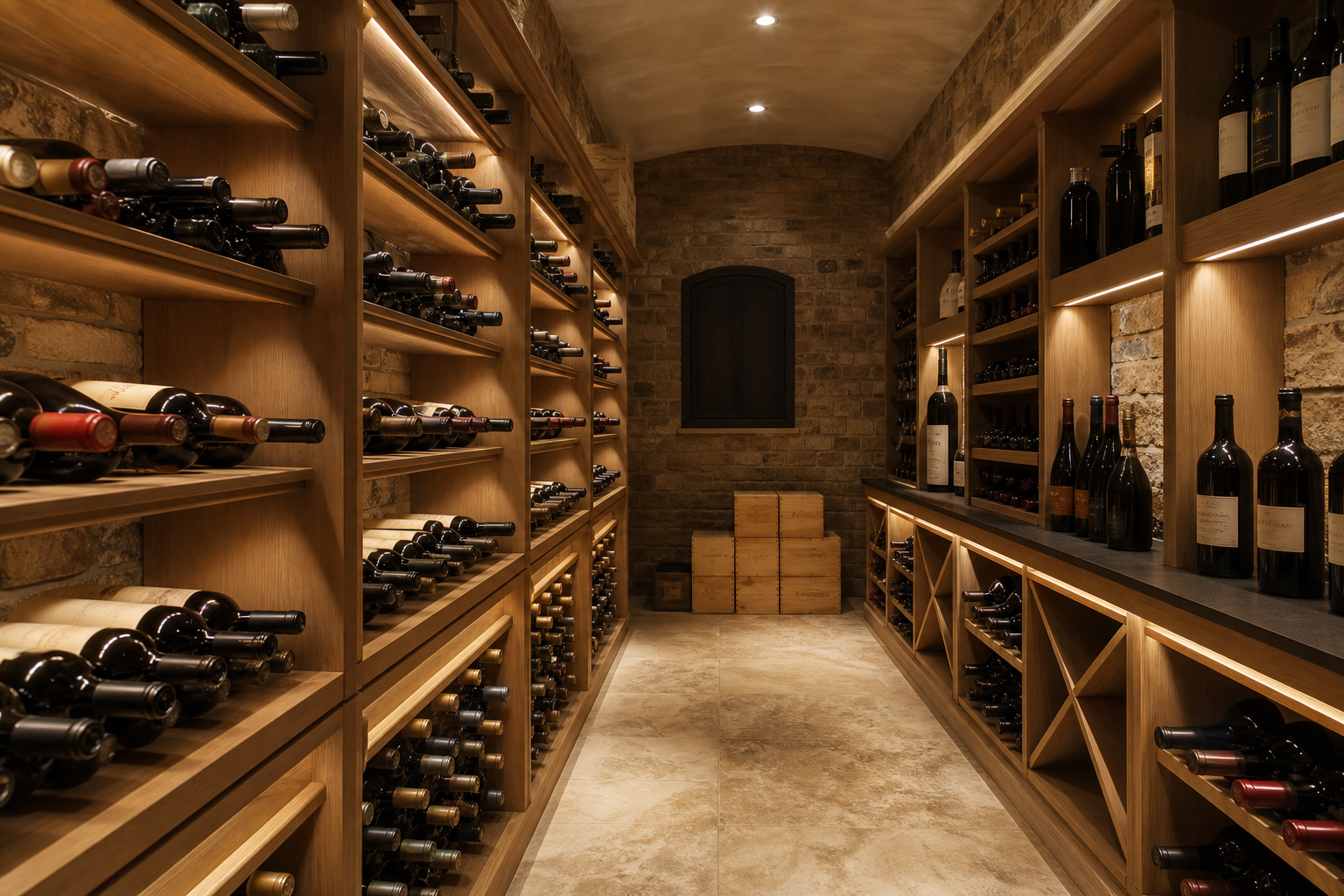
Bottles must recline horizontally. This positioning ensures continuous cork contact with wine, maintaining moisture content and creating an airtight seal. Vertical storage, while space-efficient, invites disaster through accelerated cork deterioration.
Cable Wine Systems and Modern Innovation
Contemporary cable wine racks marry engineering elegance with practical functionality. These tensioned-cable systems accommodate bottle neck variations while providing unobstructed visual access to your collection. Their architectural transparency particularly suits display-focused installations where aesthetic presentation complements preservation requirements.
Light Exposure: An Overlooked Threat
Ultraviolet radiation initiates photochemical reactions that produce unpleasant sulfur compounds and accelerate aging. Amber and darker glass provide partial protection, yet reliance solely on bottle tinting proves insufficient for long-term storage.
Cellar doors crafted with UV-filtering glass or solid construction materials create protective barriers against harmful wavelengths. For collections displayed within living spaces, LED lighting systems specifically engineered for wine storage emit minimal ultraviolet radiation while showcasing prized bottles.
Vibration Minimization and Sediment Preservation
Constant movement disrupts the natural sedimentation process and potentially affects chemical evolution. Position storage away from appliances, HVAC systems, and high-traffic zones. Spiral cellar installations naturally provide isolation from ground-level disturbances while maximizing spatial efficiency in properties where horizontal expansion proves impractical.
Organization Methodology for Growing Collections
Systematic cataloging transforms cellaring from hobby into refined practice. Consider these organizational principles:
- Regional categorization facilitating comparative tastings
- Vintage chronology enabling optimal drinking window tracking
- Varietal grouping for thematic exploration
- Investment-grade separation from everyday selections
Digital inventory management applications complement physical organization, providing rapid access to acquisition dates, provenance documentation, and maturity projections.
Designing Your Ideal Storage Environment
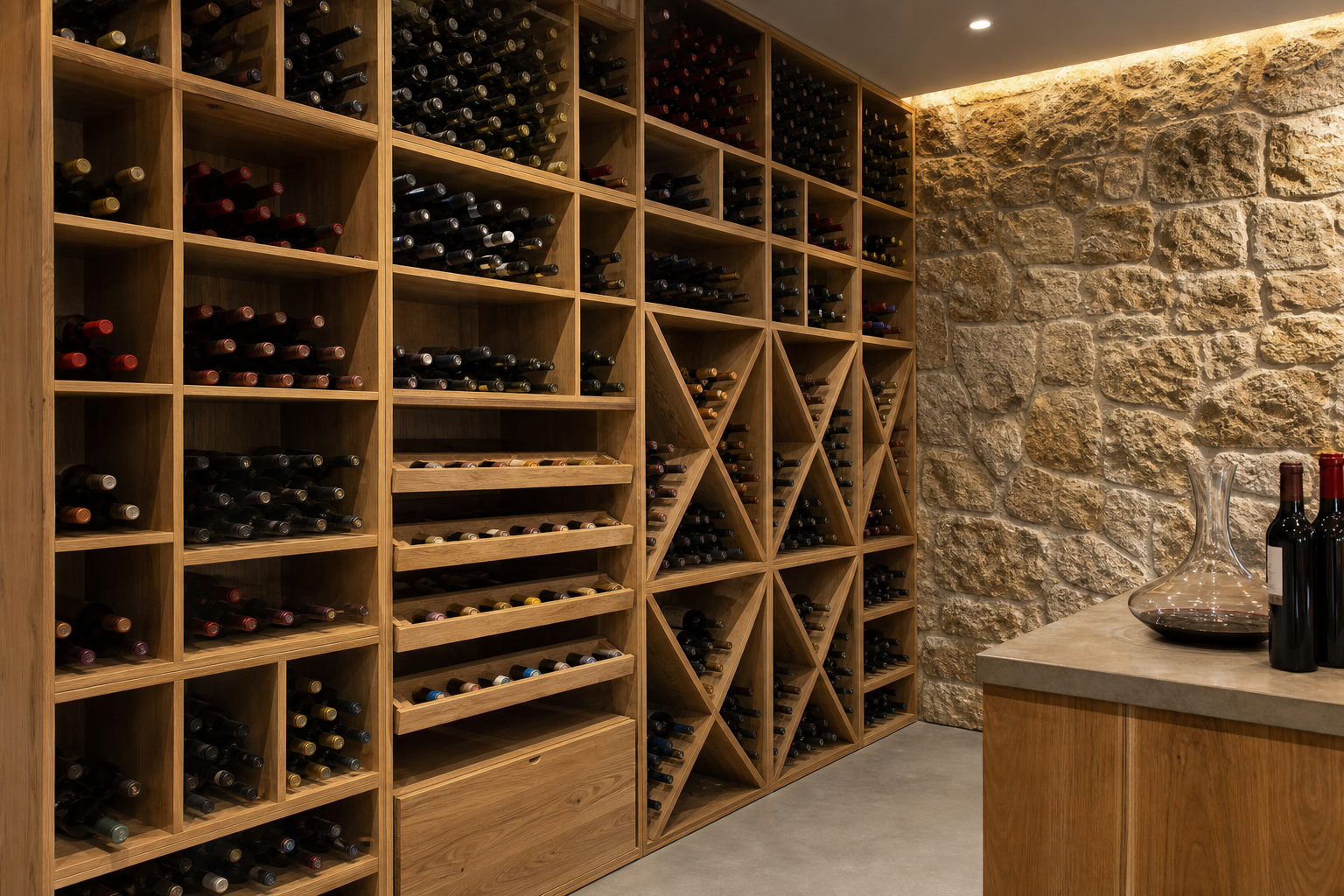
Every serious collector eventually confronts capacity limitations. Whether retrofitting existing space or commissioning purpose-built facilities, bespoke design ensures functionality aligns with aesthetic vision.
The most successful cellar projects balance climatological precision with architectural distinction, creating spaces that honor both the wine and the collector's discernment.
Professional design previews allow visualization before construction commences, ensuring spatial allocation, material selection, and technological integration meet exacting standards. From selecting cellar door styles that complement existing interior design to specifying cooling capacity for projected collection growth, expert consultation prevents costly miscalculations.
When Should You Upgrade Your Storage System?
Collection expansion naturally demands infrastructure evolution. Warning signs include temperature inconsistency, inadequate racking capacity, or difficulty accessing specific bottles. Serious collectors recognize that proactive upgrades protect accumulated investment far more economically than reactive repairs following climate control failure.
Worldwide delivery of premium storage components enables seamless system enhancement regardless of geographic constraints, while membership programs provide early access to innovative solutions and design resources tailored to discerning collectors.
Proper wine storage tips implementation transcends mere preservation—it represents stewardship of liquid history and respect for viticultural artistry. Environmental precision, thoughtful organization, and quality infrastructure ensure each bottle reaches its apotheosis at precisely the intended moment.