Half-Height Wine Racks: Space-Saving Cellar Solutions
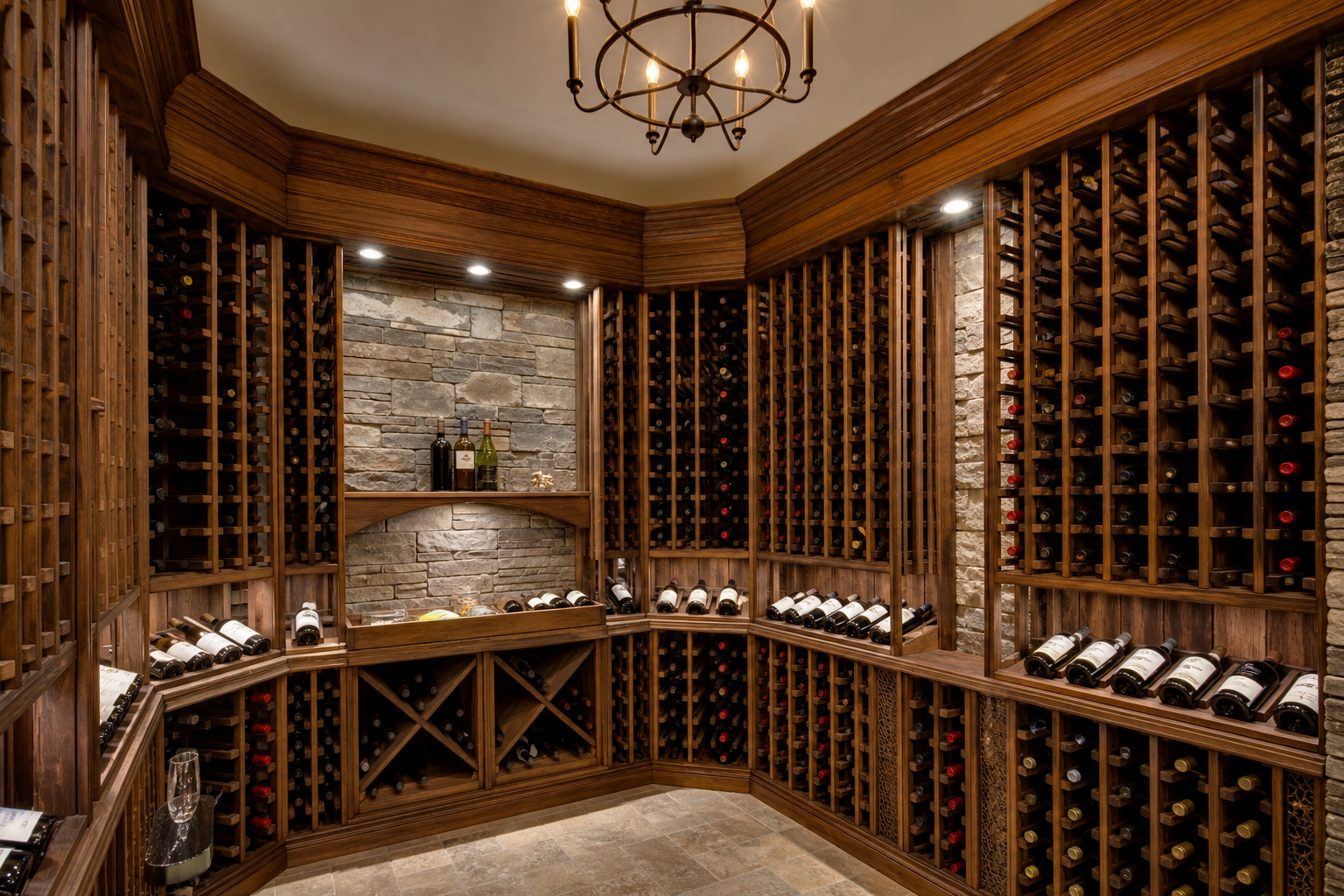
When orchestrating a sophisticated wine cellar, vertical real estate often dictates your collection's potential. Yet not every space demands floor-to-ceiling grandeur. Half-height configurations present an elegant compromise, transforming underutilized areas into functional showcases while preserving architectural balance and accessibility.
These compact systems excel in environments where traditional racking would overwhelm the proportions or obstruct sightlines. Think beneath staircases, alongside kitchen islands, or within renovated alcoves where ceiling clearance proves limited. The strategic deployment of abbreviated structures maximizes volumetric efficiency without sacrificing visual refinement.
Understanding Half-Height Wine Rack Architecture
Half-height wine rack storage solutions typically range from 36 to 48 inches in elevation, creating waist-to-chest-level access points. This ergonomic sweet spot eliminates the strain of overhead retrieval while maintaining dignified bottle presentation. The compressed footprint doesn't diminish capacity—many configurations accommodate 96 bottles or more through intelligent spatial engineering.
Material selection remains paramount. Metal wine systems deliver industrial elegance with powder-coated finishes that resist humidity and temperature fluctuations inherent to climate-controlled environments. Wood alternatives like mahogany or redwood introduce warmth, though they require vigilant maintenance in fluctuating cellar conditions.
Modular Flexibility for Evolving Collections
Contemporary half-height designs embrace modularity, allowing collectors to expand laterally as acquisitions grow. Stackable kits and interlocking components create scalable solutions that adapt to shifting curatorial priorities without requiring complete reinstallation.
Optimizing Your Space with Strategic Placement
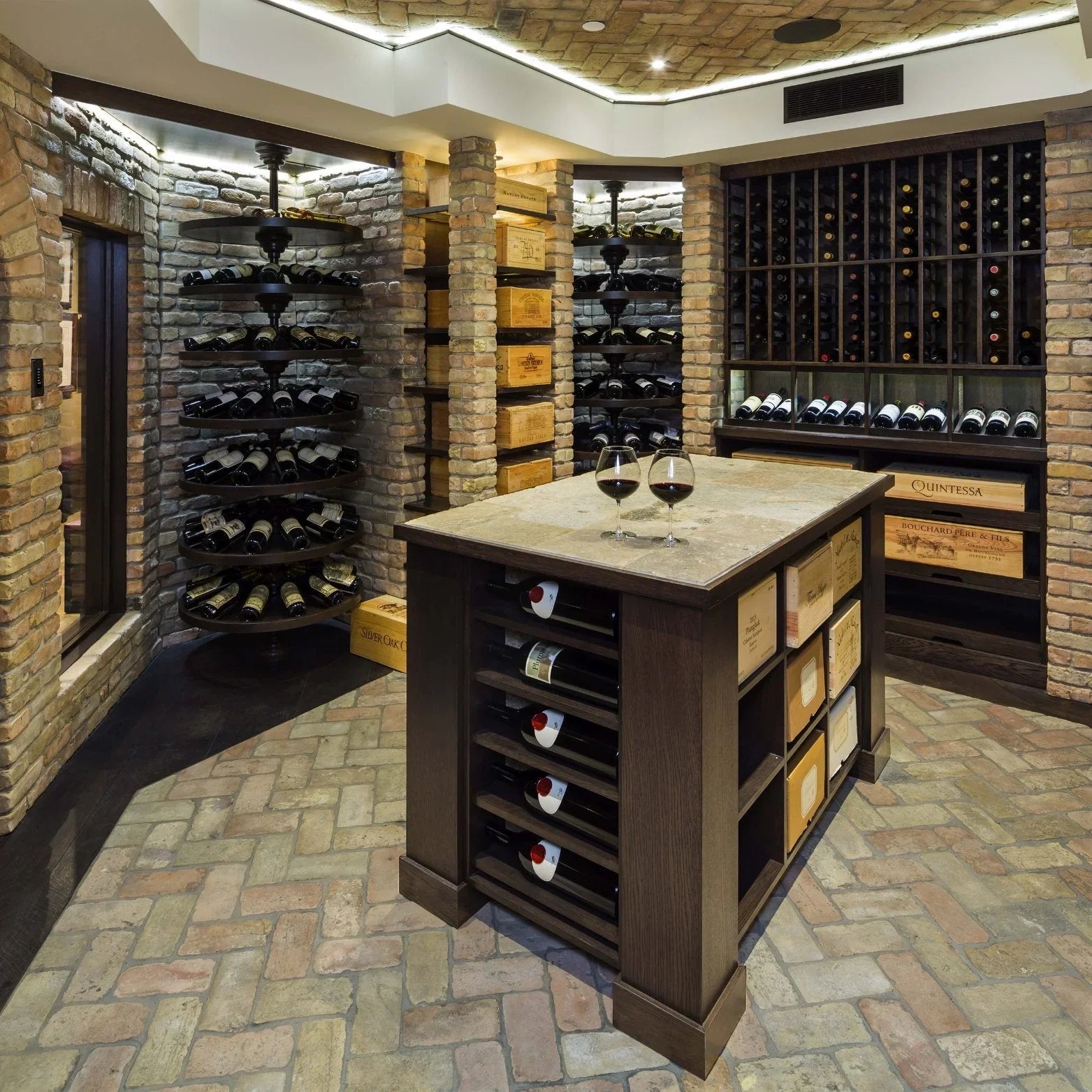
Location strategy separates competent installations from exceptional ones. Position abbreviated racking along perimeter walls to define spatial boundaries without bisecting sightlines. This preserves the cellar's open character while establishing distinct zones for varietal categorization.
Under-stair voids represent particularly advantageous opportunities. The descending ceiling plane naturally accommodates graduated heights, with half-scale systems nestling perfectly beneath the trajectory. This transforms dead space into prime storage real estate, often adjacent to main entertaining areas for convenient retrieval.
Featured Solution: The 96-Bottle Elite Kit
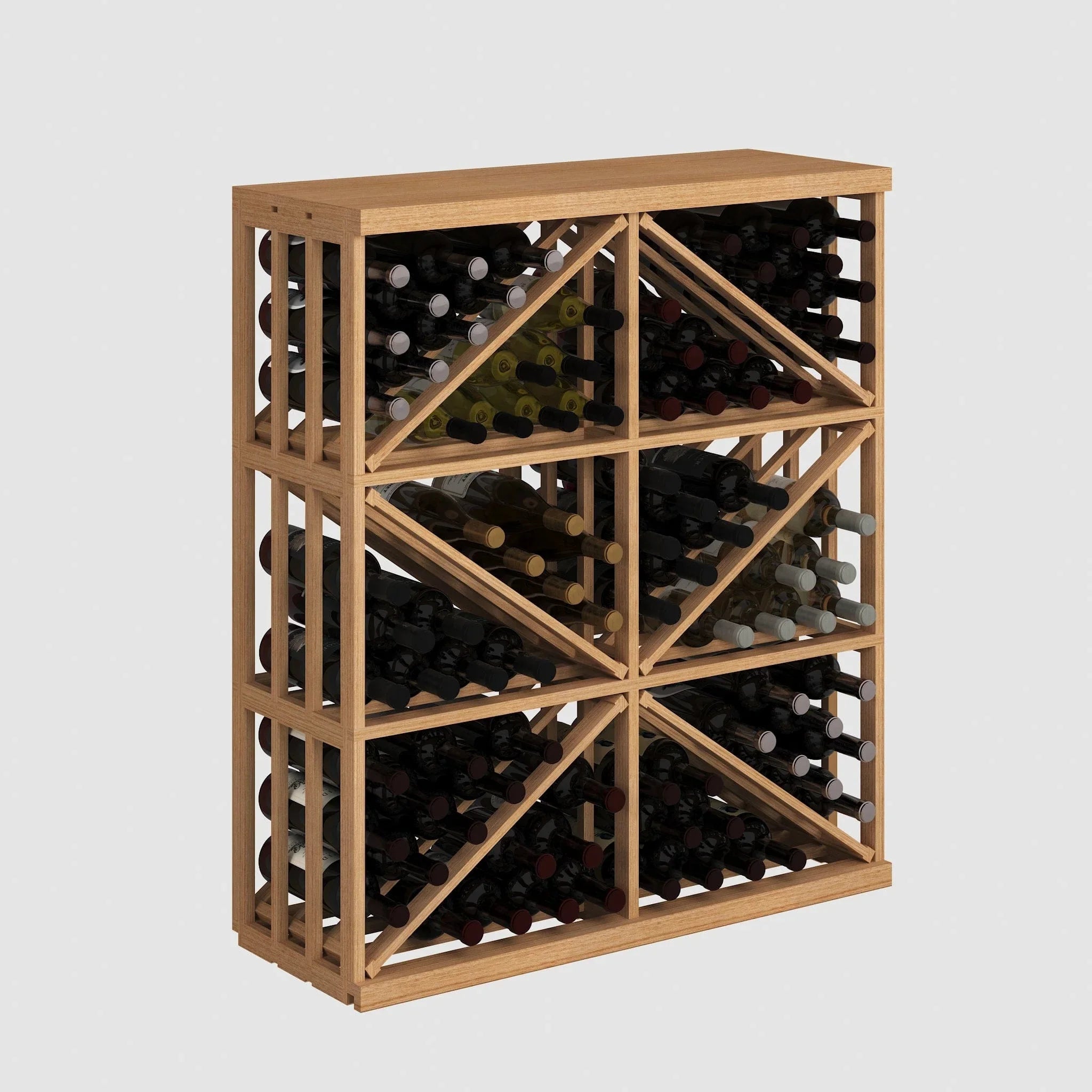
For those seeking turnkey implementation, the 96-Bottle Elite Kit Rack Slat Bin Rack delivers comprehensive functionality within a 42-inch height profile. Its 36-inch width creates substantial capacity while maintaining manageable proportions for mid-sized installations. The hybrid design incorporates both individual bottle slots and bin storage, accommodating diverse bottle geometries from standard Bordeaux to champagne formats.
This configuration particularly suits residential developers specifying pre-built wine amenities or homeowners retrofitting existing spaces. The slat architecture promotes optimal airflow circulation—critical for maintaining consistent microclimate conditions—while the bin compartments offer flexible bulk storage for case quantities or investment-grade allocations.
Design Integration and Aesthetic Considerations
Half-height installations offer unexpected decorative advantages. The reduced elevation creates opportunities for complementary design elements above—consider display shelving for decanters, tasting journals, or ambient lighting fixtures that enhance nocturnal ambiance. This layered approach transforms functional storage into curated vignettes.
The most discerning collectors understand that wine storage transcends mere bottle warehousing—it's an architectural statement that reflects personal connoisseurship and spatial intelligence.
Material Pairings and Finish Coordination
Coordinate your racking materials with existing cellar elements. Brushed nickel finishes harmonize with contemporary cooling unit grilles, while oil-rubbed bronze complements traditional wooden cellar doors. This cohesive specification elevates the installation from afterthought to intentional design feature.
Climate Control and Accessibility Benefits
Lower profile systems improve climate management efficiency. Heat stratification—the tendency for warm air to accumulate at ceiling level—becomes less problematic when your entire collection resides in the cooler lower strata. This can reduce cooling unit runtime and extend equipment longevity.
Accessibility advantages extend beyond ergonomics. Wheelchair users and those with mobility considerations find half-height configurations far more navigable than towering installations requiring step stools or extension tools. Universal design principles need not compromise aesthetic sophistication.
Is Half-Height Storage Right for Your Collection?
Consider abbreviated systems when spatial constraints, architectural features, or collection size align with compact parameters. They excel as supplementary overflow storage in primary cellars or as complete solutions for emerging collectors not yet requiring institutional-scale capacity.
For serious collectors with 500-plus bottle inventories, half-height units serve best as specialized zones—perhaps dedicated Burgundy sections or vintage port reserves—within larger comprehensive systems. This zoned approach creates curatorial organization while maintaining collection accessibility.
The marriage of spatial economy and refined presentation defines contemporary cellar design. Half-height wine rack storage solutions prove that dimensional modesty need not compromise capacity, accessibility, or visual impact when specified with discernment and installed with precision.