Home Wine Cellar Plans: Designing Your Dream Storage Space
Crafting a dedicated wine storage environment transcends mere functional necessity—it represents a convergence of preservation science, architectural finesse, and personal passion. For discerning collectors and connoisseurs, meticulous home wine cellar plans form the cornerstone of safeguarding valuable vintages while elevating the aesthetic dimension of residential or commercial spaces.
Understanding the Fundamentals of Cellar Architecture
The foundation of exceptional home wine cellar plans begins with comprehending the delicate interplay between environmental stability and spatial configuration. Temperature consistency, humidity regulation, and light mitigation constitute the triumvirate of preservation imperatives. A properly engineered cellar maintains temperatures between 55-58°F with relative humidity hovering near 70%, creating an optimal microclimate that prevents cork desiccation and premature oxidation.
Beyond climatic considerations, spatial allocation demands strategic forethought. Bottle capacity projections, accessibility pathways, and expansion potential should inform initial architectural blueprints. The most sophisticated designs incorporate modular frameworks that accommodate collection growth without compromising organizational logic or retrieval efficiency.
Essential Design Elements for Premium Wine Storage
Climate Control Infrastructure
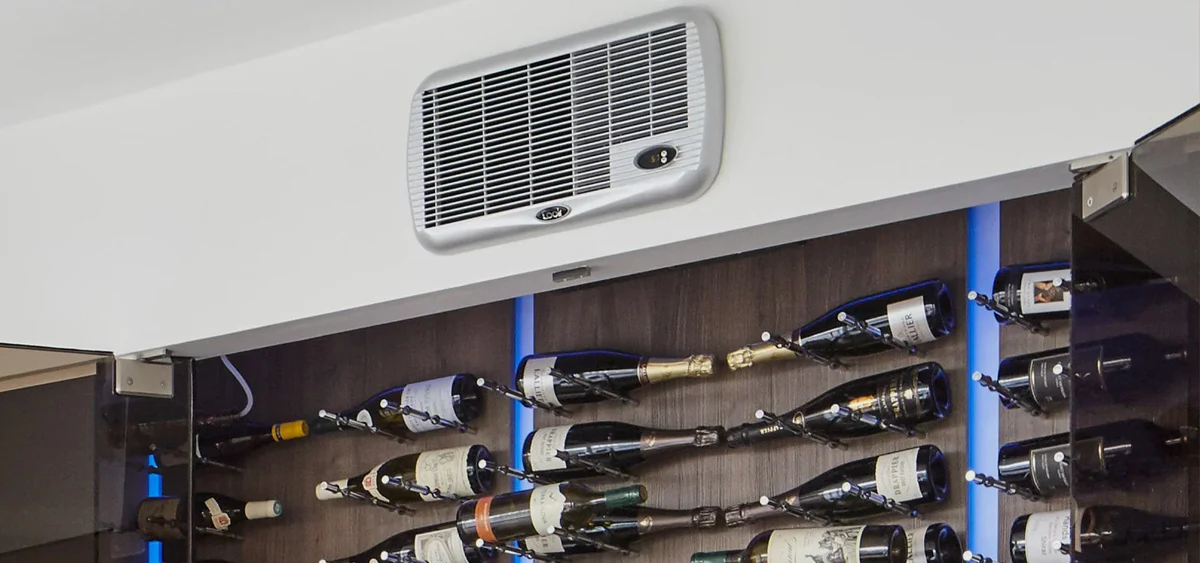
Precision-engineered cooling units represent the circulatory system of any cellar ecosystem. These specialized apparatuses differ markedly from conventional HVAC systems, offering vapor management alongside thermal regulation. Selecting appropriate tonnage based on cubic footage, insulation coefficients, and ambient exterior conditions ensures longevity for both equipment and collection.
Racking Configuration and Material Selection
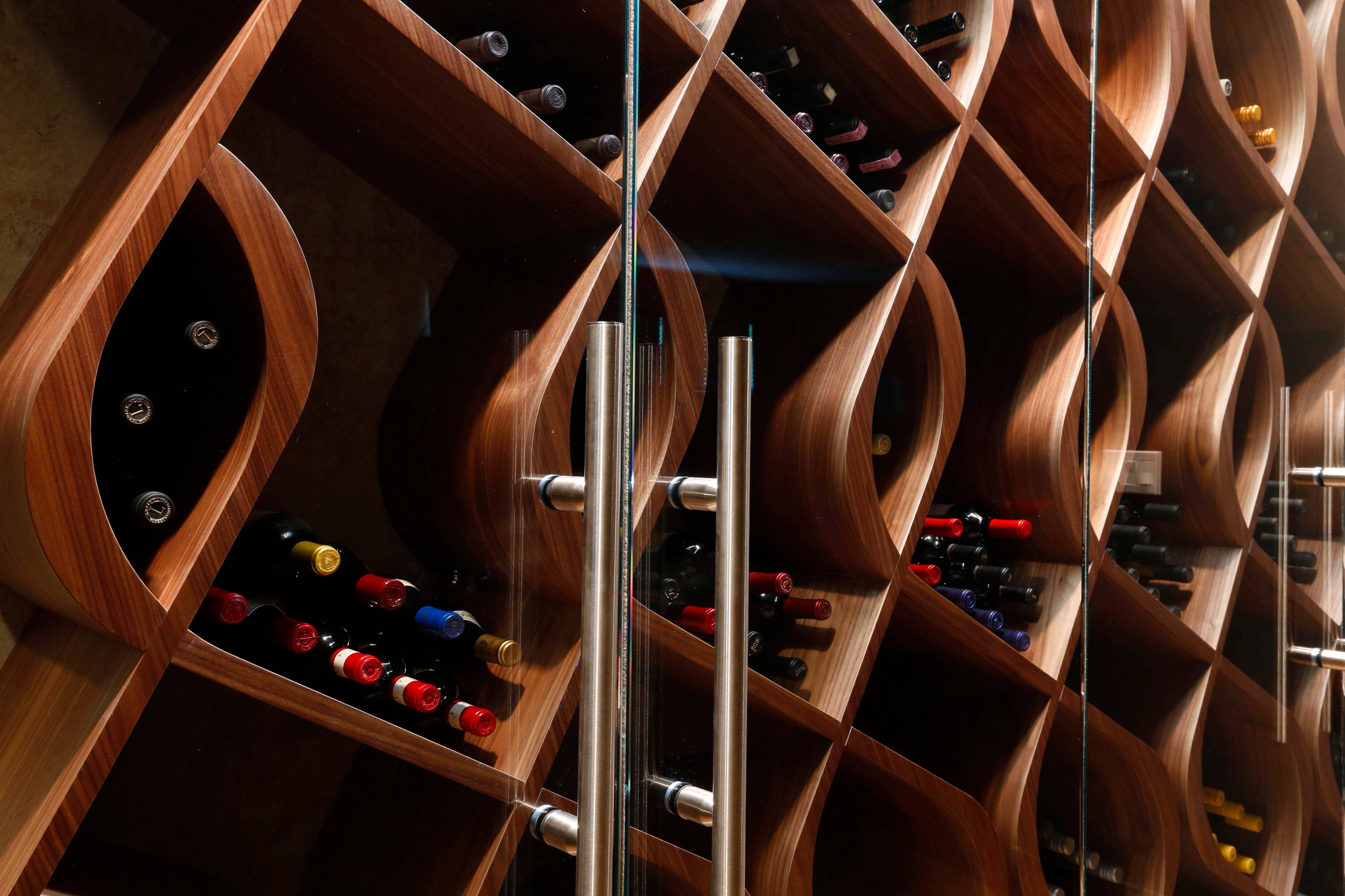
Contemporary home wine cellar plans increasingly favor cable wine systems for their minimalist aesthetic and structural transparency. These tensioned wire configurations provide secure bottle suspension while maximizing visual continuity—particularly advantageous in display-oriented installations. Traditional wooden racking remains venerable for its tactile warmth and customization versatility, accommodating diverse bottle dimensions from standard Bordeaux profiles to champagne magnums.
The intersection of form and function defines truly exceptional cellar design, where every material choice serves both preservation and presentation.
Spatial Planning Strategies for Different Environments
Location selection profoundly influences design parameters. Below-grade installations leverage natural thermal stability and darkness, reducing mechanical cooling demands. Conversely, above-ground cellars require enhanced insulation envelopes and vapor barriers to counteract temperature fluctuations and solar exposure.
For residential developers, integrating cellars beneath staircases or within unused closet footprints optimizes spatial economy. Commercial hospitality venues benefit from transparent enclosures that transform storage into theatrical focal points, enhancing patron experience while maintaining functional integrity.
| Cellar Type | Typical Capacity | Key Consideration |
|---|---|---|
| Compact Residential | 200-500 bottles | Space efficiency |
| Standard Collection | 500-1,500 bottles | Accessibility design |
| Grand Estate | 1,500+ bottles | Categorization systems |
Incorporating Architectural Distinction
Entrance portals establish immediate aesthetic intent. Bespoke cellar doors crafted from reclaimed oak, wrought iron, or etched glass communicate refinement while providing necessary insulation. Spiral cellars present an extraordinary alternative for constrained footprints, descending vertically through prefabricated cylindrical chambers that merge engineering innovation with dramatic visual impact.
Illumination strategies warrant equal attention. LED systems with UV-filtered lenses protect light-sensitive wines while highlighting architectural features. Dimmable controls permit atmospheric adjustment for tasting sessions or contemplative browsing.
Professional Design Support and Implementation
Translating conceptual vision into physical reality demands specialized expertise. Complimentary design previews allow visualization of spatial arrangements, material palettes, and lighting scenarios before construction commences. This iterative refinement process prevents costly mid-project modifications and ensures alignment with collector preferences.
For serious collectors managing extensive holdings, membership societies provide ongoing access to evolving storage technologies, organizational methodologies, and exclusive material releases. These resources facilitate continuous cellar optimization as collections mature and expand.
Frequently Considered Questions
What minimum dimensions accommodate functional cellar design?
Viable cellars commence at approximately 50 square feet, though 100-150 square feet permits comfortable navigation and meaningful capacity. Vertical utilization through floor-to-ceiling racking maximizes volumetric efficiency.
How do climate requirements differ for long-term versus rotation storage?
Long-term archival storage demands unwavering environmental consistency, while rotation areas benefit from slightly elevated accessibility and modestly relaxed parameters for bottles approaching consumption windows.
Investing in comprehensive home wine cellar plans establishes an enduring legacy—a curated sanctuary where oenophile passion intersects with architectural expression, preserving liquid history for generations.