Professional Wine Storage Solutions for Restaurant Cellars
Understanding Commercial Wine Storage Systems
Commercial wine storage systems represent sophisticated infrastructure designed specifically for hospitality establishments requiring optimal preservation conditions for extensive wine collections. These systems transcend basic refrigeration, incorporating precise environmental controls that maintain consistent temperature, humidity, and vibration parameters essential for wine maturation and preservation.
Restaurant cellars demand specialized solutions that accommodate high-volume storage while ensuring accessibility for service staff. Professional-grade systems integrate advanced cooling technologies with ergonomic design principles, creating environments where valuable vintages can develop complexity while remaining readily available for service.
Essential Components of Professional Wine Storage
Climate Control Systems
Temperature stability forms the cornerstone of professional wine preservation. Commercial cooling units must maintain consistent temperatures between 55-58°F while preventing fluctuations that could compromise wine integrity. Advanced systems incorporate dual-zone capabilities, allowing establishments to store different wine styles under optimal conditions simultaneously.
Humidity regulation prevents cork desiccation and label deterioration. Professional systems maintain 60-70% relative humidity through sophisticated moisture management technology that prevents both excessive dryness and detrimental condensation accumulation.
Racking Infrastructure and Organizational Solutions
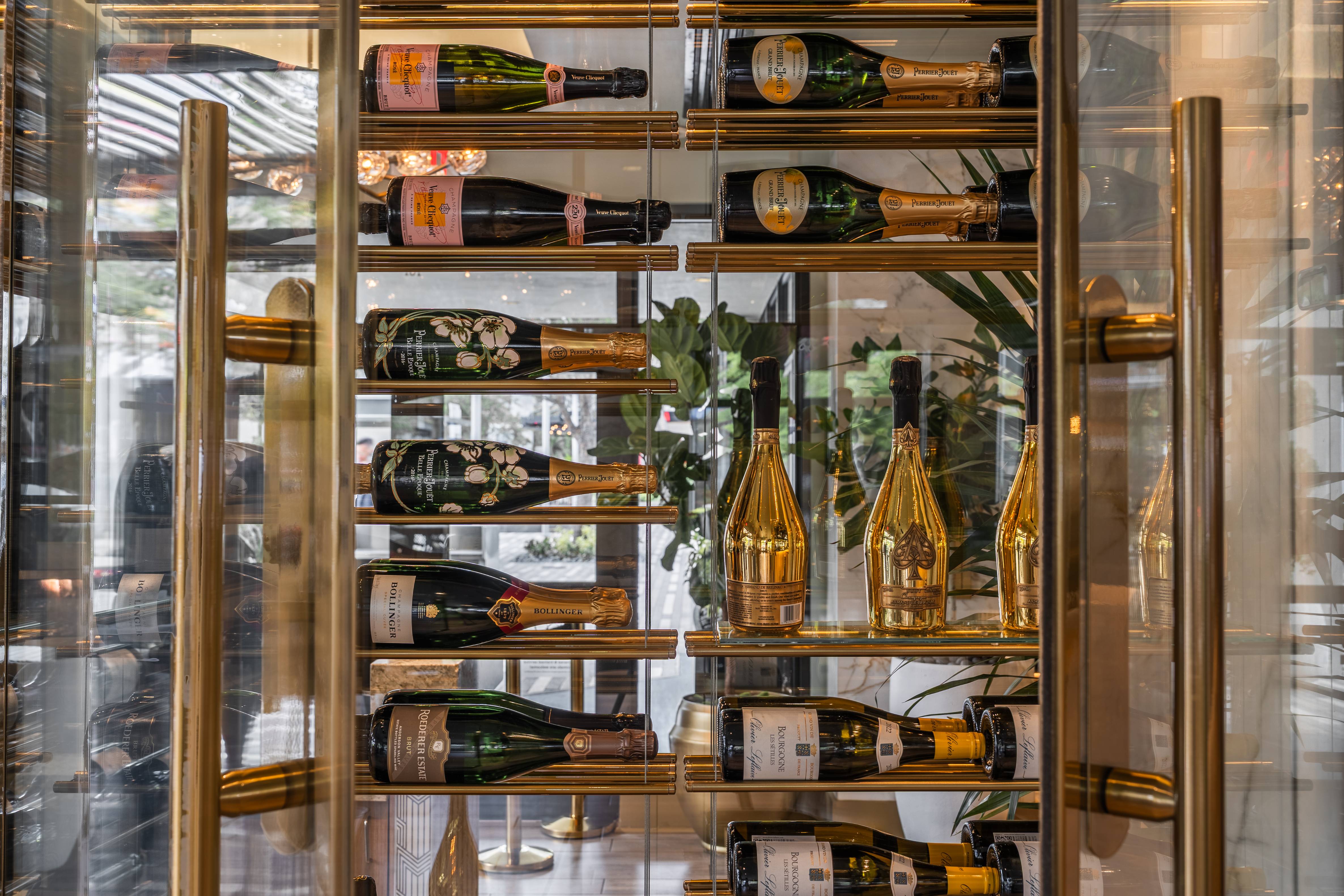
Cable wine systems offer exceptional versatility for commercial applications, providing modular storage solutions that adapt to varying bottle sizes and collection requirements. These contemporary racking solutions maximize storage density while facilitating inventory management and bottle retrieval efficiency.
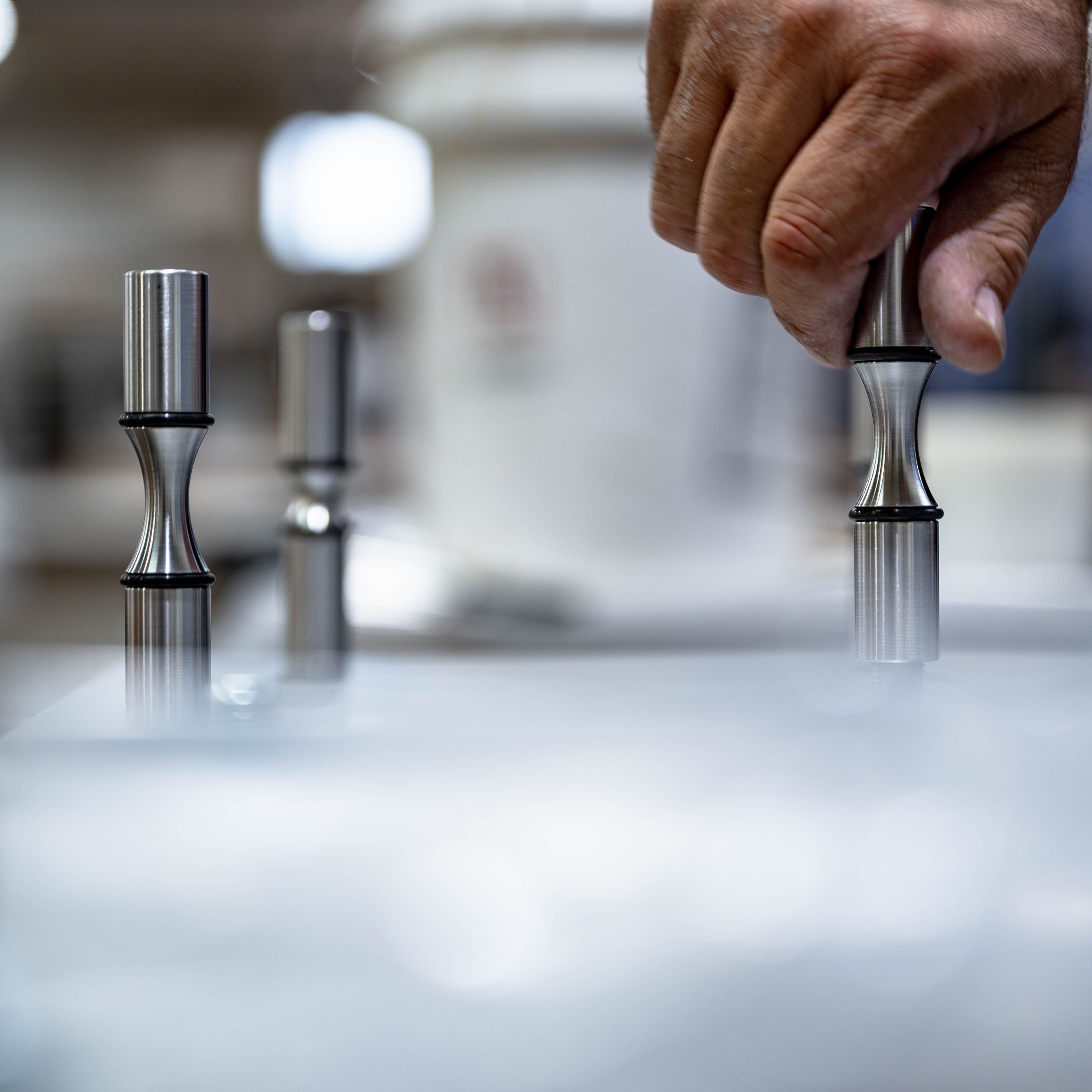
Professional installations often incorporate the 7ft Base Moulding Elite Kit Rack Accessory, which provides essential foundational support for extensive racking systems. This accessory ensures structural integrity while delivering aesthetic refinement that complements upscale dining environments. The base moulding system creates seamless transitions between racking modules, preventing bottle displacement while maintaining visual continuity throughout the cellar space.
Design Considerations for Restaurant Cellars
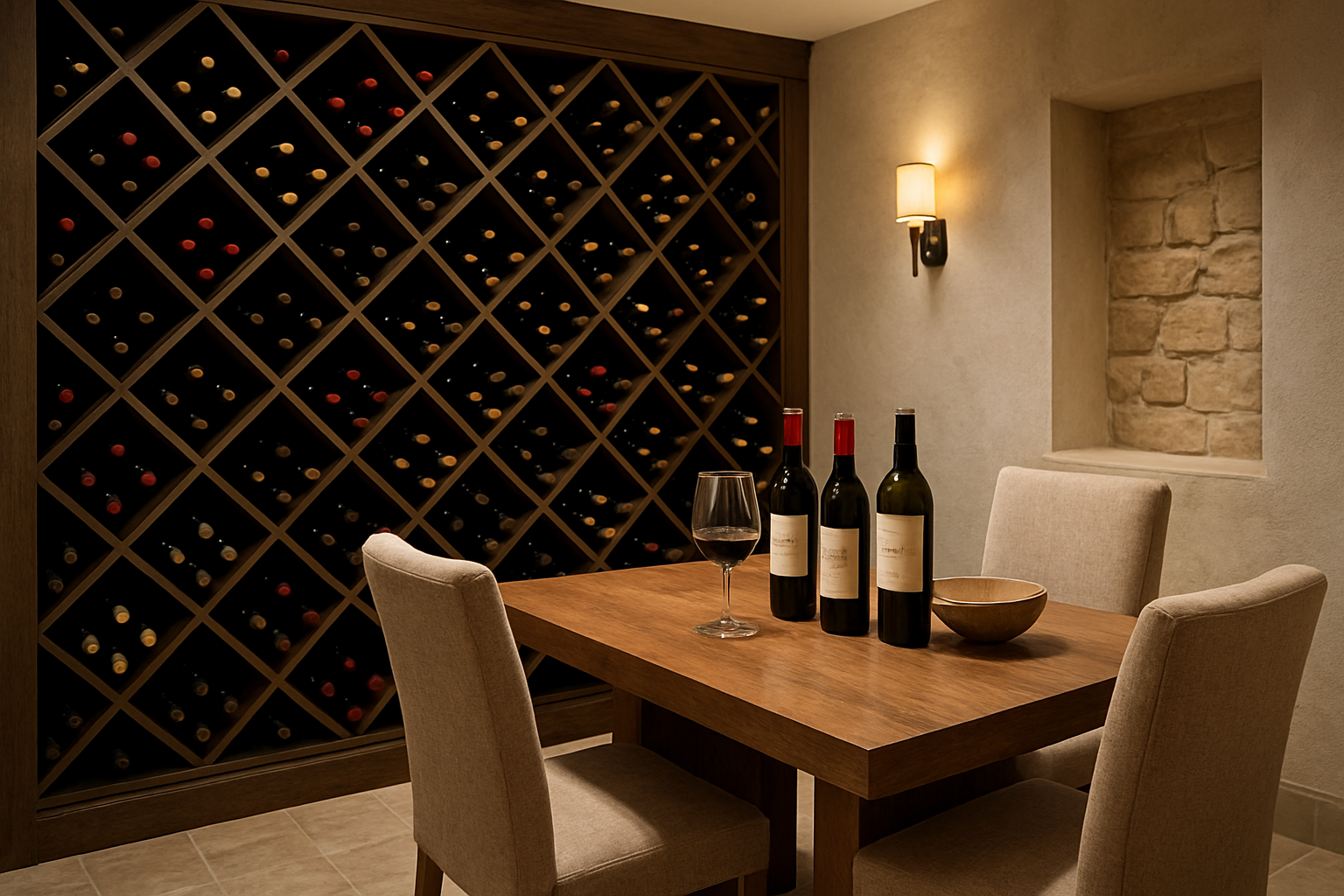
Spatial optimization requires careful consideration of service workflows and inventory accessibility. Professional designers evaluate traffic patterns, delivery logistics, and sommelier requirements when configuring storage layouts. Effective designs incorporate dedicated areas for different wine categories while maintaining efficient retrieval pathways.
"A well-designed commercial wine cellar serves as both functional storage and compelling marketing asset, showcasing an establishment's commitment to wine excellence while supporting operational efficiency."
Aesthetic integration ensures cellar design complements overall restaurant ambiance. Premium installations feature custom millwork, designer lighting, and architectural elements that create dramatic visual impact while maintaining functional priorities.
Capacity Planning and Inventory Management
Commercial establishments require storage capacities ranging from hundreds to thousands of bottles, depending on service volume and wine program scope. Professional systems accommodate growth through modular expansion capabilities, allowing establishments to increase capacity without complete system replacement.
| Restaurant Type | Recommended Capacity | Storage Priority |
|---|---|---|
| Fine Dining | 1,000-3,000 bottles | Variety and aging potential |
| Casual Dining | 300-800 bottles | Quick turnover selections |
| Wine Bars | 500-1,500 bottles | Display and accessibility |
Installation and Maintenance Requirements
Professional installation ensures optimal system performance and longevity. Qualified technicians evaluate structural requirements, electrical specifications, and ventilation needs before implementing comprehensive storage solutions. Proper installation prevents costly operational failures and protects valuable wine investments.
Ongoing maintenance protocols preserve system efficiency and prevent environmental fluctuations. Regular servicing includes:
- Cooling system calibration and filter replacement
- Humidity sensor verification and adjustment
- Structural inspection of racking components
- Temperature monitoring system validation
Frequently Asked Questions
What backup systems should commercial wine storage include? Professional installations incorporate redundant cooling systems and emergency power connections to prevent temperature excursions during equipment failures or power outages.
How do commercial systems differ from residential solutions? Commercial systems feature heavy-duty components designed for frequent access, higher capacity requirements, and continuous operation demands that exceed residential specifications.
What certifications should installers possess? Qualified installers should hold HVAC certifications and specialized wine storage training, ensuring proper system commissioning and compliance with local building codes.