Article: Wine Storage Design: Balancing Function with Elegance

Wine Storage Design: Balancing Function with Elegance
Exceptional wine storage design transcends mere functionality—it orchestrates a symphony of preservation science and architectural artistry. The confluence of temperature stability, humidity control, and aesthetic refinement creates environments where prized vintages mature gracefully while elevating the sophistication of residential and commercial spaces.
The Foundational Principles of Wine Storage Architecture
Masterful wine storage design begins with understanding the physiological requirements of wine preservation. Bottles demand consistent temperatures between 55-58°F, humidity levels hovering around 60-70%, and protection from ultraviolet exposure and vibration. These parameters form the scientific bedrock upon which all elegant solutions rest.
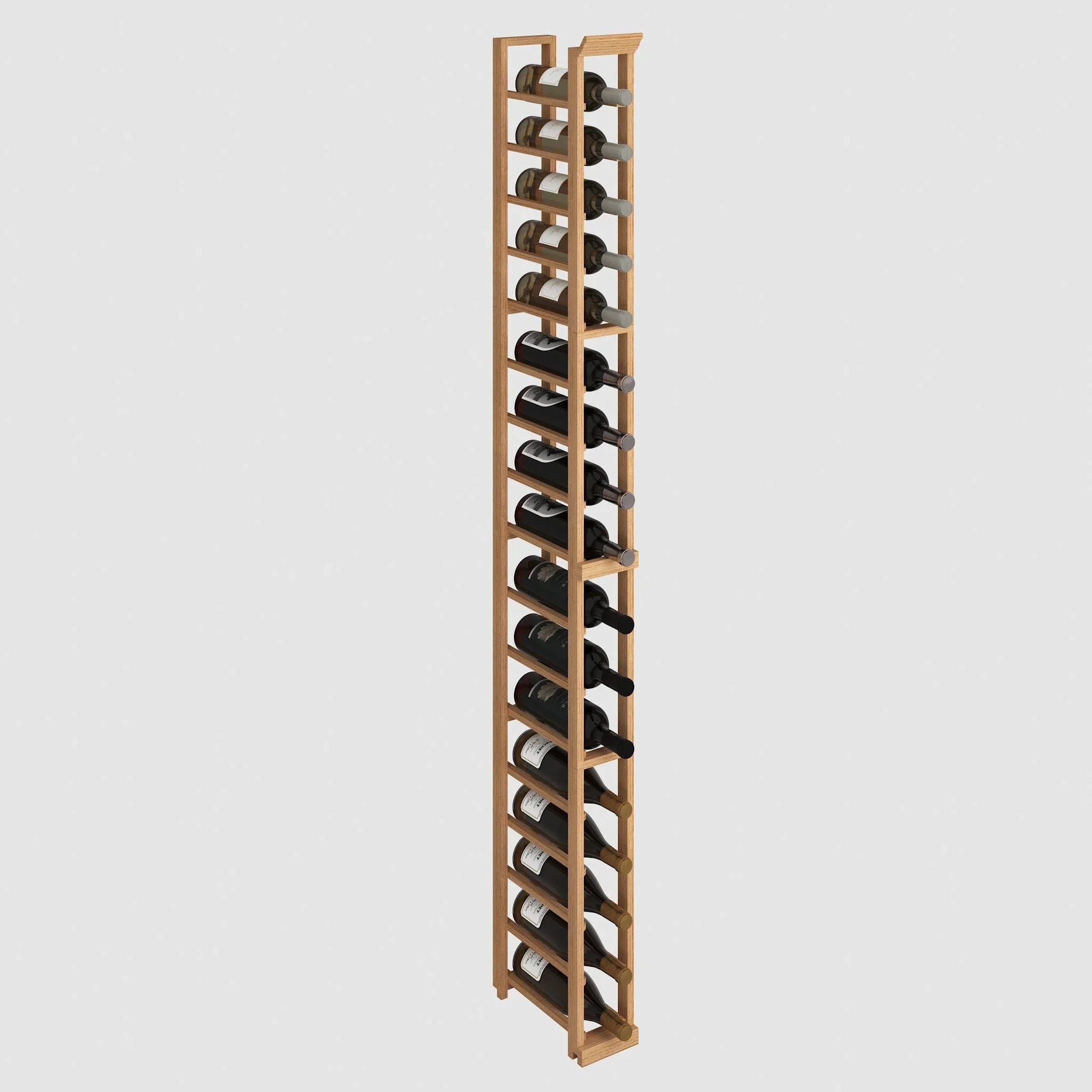
Beyond environmental controls, spatial planning dictates accessibility and capacity. Bottle orientation—horizontal positioning prevents cork desiccation—influences racking systems and depth requirements. Thoughtful designers account for expansion potential, ensuring collectors can accommodate acquisitions without compromising the original aesthetic vision.
Material Selection: Where Engineering Meets Artistry
The materials chosen for wine storage installations communicate volumes about sophistication and permanence. Contemporary cable wine systems offer minimalist elegance while maximizing visual transparency, creating floating bottle displays that transform cellars into gallery-like showcases.
Traditional hardwoods—mahogany, walnut, redwood—impart warmth and gravitas, their natural properties contributing beneficial moisture regulation. Metal accents in brushed nickel, bronze, or blackened steel provide structural integrity while introducing industrial-chic contrasts. The interplay between these materials establishes hierarchy and visual interest throughout the storage environment.
Innovative Racking Technologies
Modern wine storage embraces engineering innovation without sacrificing aesthetics. Cable racking systems suspend bottles between tensioned stainless steel cables, offering unprecedented versatility in configuration and retrofitting. These systems accommodate irregular architectural features while maintaining clean sightlines.
Architectural Integration for Seamless Luxury
Distinguished wine storage design dissolves boundaries between cellar and living space. Glass-enclosed installations transform wine collections into dynamic architectural features visible from adjoining rooms. Strategic lighting—LED systems with minimal heat emission—accentuates label displays and creates ambient luminosity that enhances both the wine and surrounding architecture.
The Ring Collection: Sculptural Innovation in Wine Presentation
For those seeking transformative storage solutions that challenge conventional cellar paradigms, innovative approaches redefine spatial possibilities. The Ring collection exemplifies this evolution, offering cylindrical wine storage that functions as kinetic sculpture while solving space constraints in contemporary floor plans. This revolutionary design approach allows serious collectors to install dramatic wine displays within compact footprints, marrying spectacular visual impact with practical capacity.
Such installations prove particularly valuable in urban residences where traditional cellar excavation proves prohibitive, delivering vertical storage that becomes an architectural focal point rather than hidden infrastructure.
Climate Control Systems: The Invisible Infrastructure
Sophisticated cooling apparatus operates as the circulatory system of premium wine storage. Ducted systems distribute conditioned air uniformly while operating with whisper-quiet discretion. Split systems separate condensing units from evaporators, minimizing vibration transmission to racking structures.
Advanced controllers maintain micro-climate stability, with sensors triggering adjustments before fluctuations affect bottle contents. Redundancy planning—backup cooling and humidity systems—protects collections worth substantial investment from mechanical failure.
Customization Strategies for Discerning Collectors
Bespoke wine storage addresses individual collection characteristics and aesthetic preferences. Are you predominantly storing Bordeaux bottles, or does your assemblage include Burgundy, Champagne, and magnum formats? Tailored racking accommodates varied bottle geometries while maintaining visual cohesion.
The finest wine cellars reflect their owners' personalities—spaces where functional excellence and personal expression converge in environments that honor both the wine and the collector's discernment.
Commercial Versus Residential Design Considerations
Hospitality venues demand accessible storage facilitating rapid retrieval while impressing patrons. Restaurant cellars often feature double-sided racking and wider aisles. Residential installations prioritize intimate scale and integration with domestic architecture, creating private sanctuaries for contemplation and tasting.
| Design Element | Residential Priority | Commercial Priority |
|---|---|---|
| Accessibility | Personal browsing | Staff efficiency |
| Capacity | Curated collection | Inventory turnover |
| Aesthetic | Architectural harmony | Brand expression |
Future-Proofing Your Wine Storage Investment
Prescient design anticipates evolving needs and technological advances. Modular systems allow reconfiguration as collections grow or shift focus. Pre-wiring for monitoring systems and automated inventory management positions cellars for smart-home integration.
- Expandable racking configurations that adapt to collection growth
- Infrastructure for digital temperature and humidity monitoring
- Flexible lighting systems accommodating future LED advancements
- Structural capacity for incremental cooling system upgrades
Ultimately, masterful wine storage design honors the liquid artistry within each bottle while creating environments that inspire reverence and delight. The synthesis of preservation science, material excellence, and spatial poetry distinguishes merely adequate storage from truly exceptional wine sanctuaries.