Wood Wine Rack Craftsmanship: Material Selection Guide
Understanding Premium Wood Species for Wine Storage
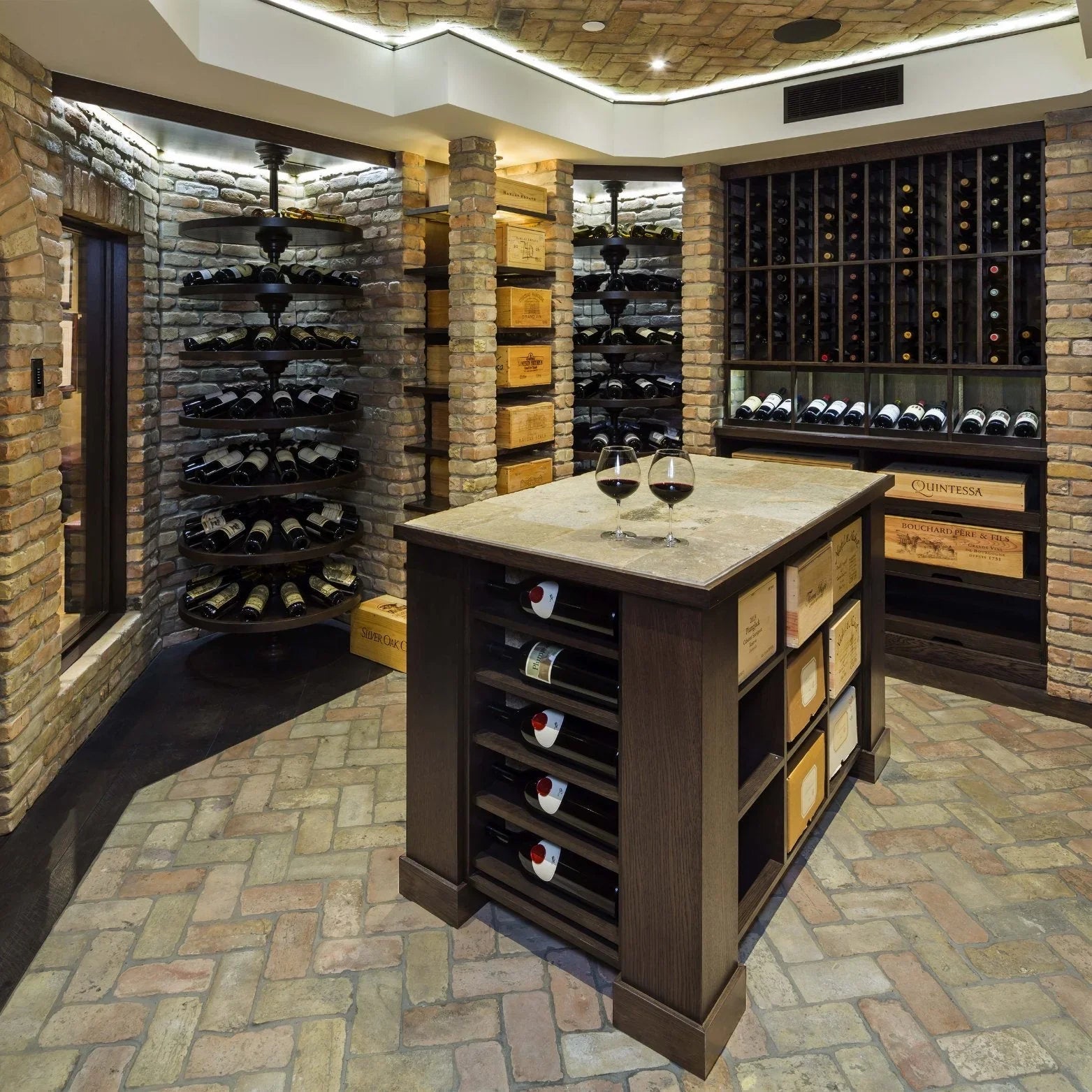
The foundation of exceptional wood wine rack craftsmanship begins with meticulous material selection. Premium hardwoods possess distinct characteristics that directly influence both the longevity and aesthetic appeal of your wine storage system. Mahogany, renowned for its dimensional stability and rich grain patterns, remains a preferred choice among discerning collectors. Its natural resistance to moisture fluctuations makes it particularly suitable for cellar environments where humidity control is paramount.
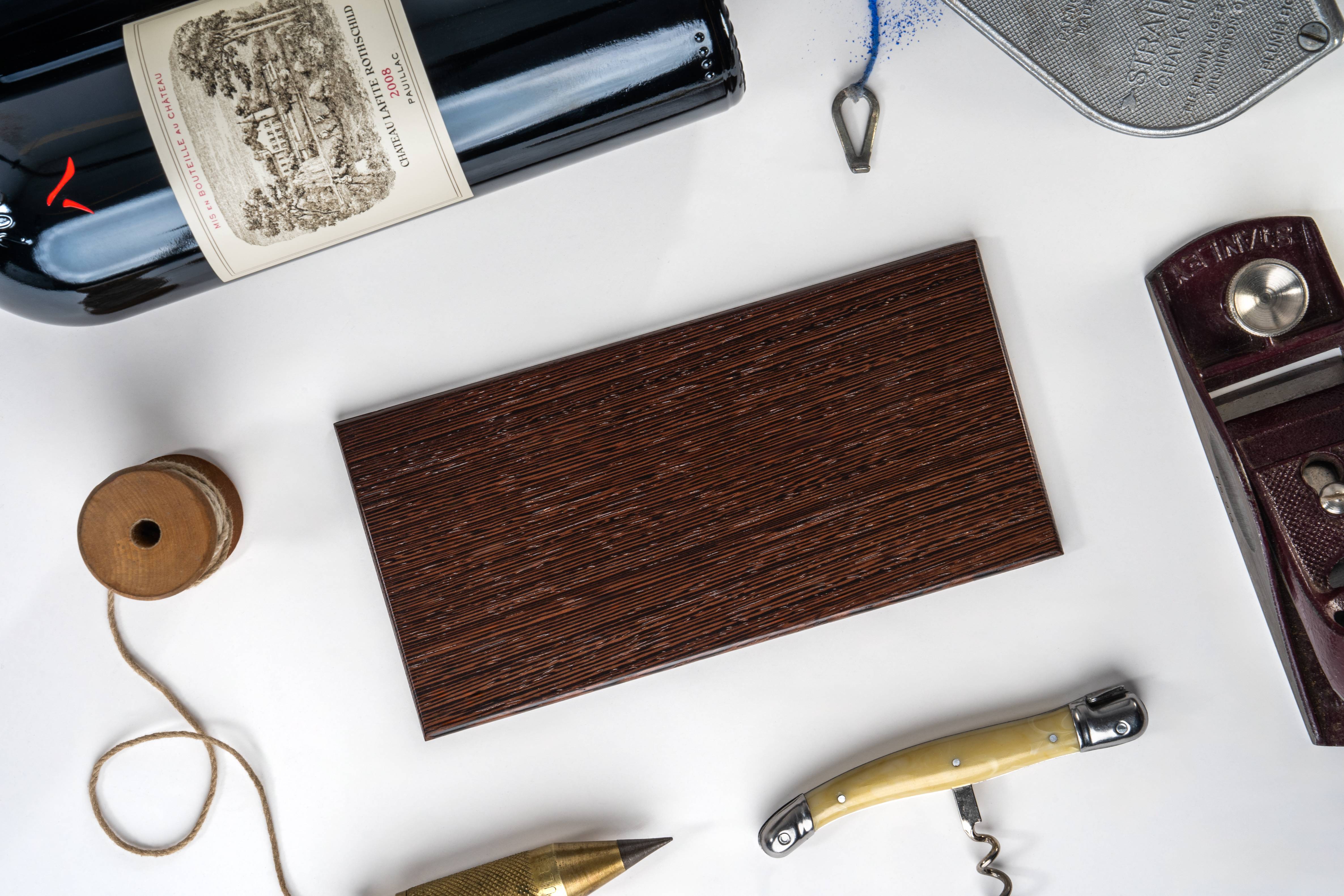
Oak varieties offer unparalleled durability and classic sophistication. French oak, with its tight grain structure, provides superior strength while complementing traditional cellar aesthetics. American white oak presents a more pronounced grain pattern, creating visual interest without compromising structural integrity. Walnut delivers exceptional workability alongside its distinctive chocolate-brown coloration, making it ideal for contemporary wine storage designs.
The judicious selection of wood species determines not only the visual impact of your cellar but also the long-term preservation of your investment-grade wines.
Grain Orientation and Structural Considerations
Quarter-sawn lumber exhibits superior dimensional stability compared to plain-sawn alternatives. This milling technique produces vertical grain orientation, minimizing warpage and ensuring consistent bottle positioning over decades. The medullary rays in quarter-sawn oak create the coveted tiger stripe figuring, adding visual depth to your wine storage installation.
Moisture Content Specifications
Kiln-dried lumber with 6-8% moisture content represents the optimal specification for wine rack construction. This controlled drying process eliminates internal stresses while achieving equilibrium with typical cellar environments. Properly conditioned wood resists dimensional changes that could compromise bottle security or aesthetic alignment.
Traditional Joinery Techniques for Wine Rack Construction
Artisanal joinery methods distinguish premium wine storage systems from mass-produced alternatives. Mortise-and-tenon joints provide exceptional strength without relying on mechanical fasteners that may deteriorate over time. These time-honored connections distribute stress loads across broader surface areas, ensuring structural longevity under substantial weight loads.
Dovetail joints excel in drawer construction and display shelving applications. Their wedge-shaped geometry creates self-tightening connections that actually strengthen under load. This characteristic proves particularly valuable in wine storage systems where consistent vibration dampening is essential for proper wine aging.
| Joint Type | Application | Strength Rating |
|---|---|---|
| Mortise-and-tenon | Frame construction | Exceptional |
| Dovetail | Drawer assemblies | Superior |
| Dado joints | Shelf installation | Good |
Advanced Glue-Up Procedures
Polyvinyl acetate adhesives offer optimal performance for interior wine rack applications. Their flexibility accommodates minor wood movement while maintaining bond integrity across temperature variations. Hide glue, though traditional, provides reversibility for future modifications or restoration work.
Surface Preparation and Finishing Excellence
Progressive sanding through 220-grit ensures optimal surface preparation for finish application. Coarser grits remove machining marks, while finer grits create the smooth substrate necessary for uniform finish penetration. Hand-sanding with the grain eliminates cross-grain scratches that become visible under applied finishes.
Pre-stain wood conditioners prevent blotchy absorption in softwood species or figured hardwoods. These products partially seal the wood surface, allowing stains to penetrate uniformly and achieve consistent coloration across varying grain densities.
Protective Coating Systems
Conversion varnishes provide superior durability for high-traffic wine storage areas. Their cross-linked molecular structure resists moisture, alcohol spills, and mechanical abrasion while maintaining optical clarity. Multiple thin coats build superior film thickness compared to fewer heavy applications.
- Sand between coats with 320-grit abrasive
- Allow full cure time between applications
- Maintain consistent environmental conditions during finishing
- Apply final coat with high-quality natural bristle brushes
Quality Assessment and Selection Criteria
How do you identify superior wood wine rack craftsmanship? Examine joint fit tolerances, finish uniformity, and hardware integration quality. Premium installations demonstrate consistent reveal dimensions, aligned grain patterns, and seamless transitions between components.
Defect-free lumber selection eliminates knots, sapwood inclusions, and grain irregularities that compromise structural integrity. Professional craftsmen orient growth rings strategically to minimize cupping tendencies while maximizing visual appeal through thoughtful grain matching.