Wine Cellar Organization: 7 Ways To Maximize Your Space
A meticulously curated wine collection deserves storage that marries functionality with aesthetic sophistication. Whether you're housing fifty bottles or five thousand, strategic wine cellar organization transforms chaotic accumulation into an accessible, climate-optimized sanctuary. Discerning collectors understand that proper organization extends bottle longevity while showcasing their investment's true magnificence.
The principles of exemplary cellar management extend beyond mere stacking. They encompass spatial geometry, retrieval efficiency, and preservation science—each element contributing to an orchestrated environment where every vintage occupies its optimal position.
Understanding Your Spatial Constraints and Bottle Inventory
Before implementing any organizational schema, conduct a comprehensive audit of your existing collection and available square footage. Document bottle dimensions, as formats ranging from standard Bordeaux to imposing Nebuchadnezzars demand distinct accommodations. This preliminary assessment reveals whether your spatial envelope requires vertical expansion, horizontal maximization, or innovative three-dimensional solutions.
Commercial hospitality venues often confront density challenges that residential collectors rarely encounter. Calculating bottles-per-square-foot ratios provides quantifiable metrics for selecting appropriate racking systems. High-end cable wine racks, for instance, offer superior spatial efficiency compared to traditional wooden compartments while maintaining structural elegance.
Method 1: Implement Modular Racking Systems
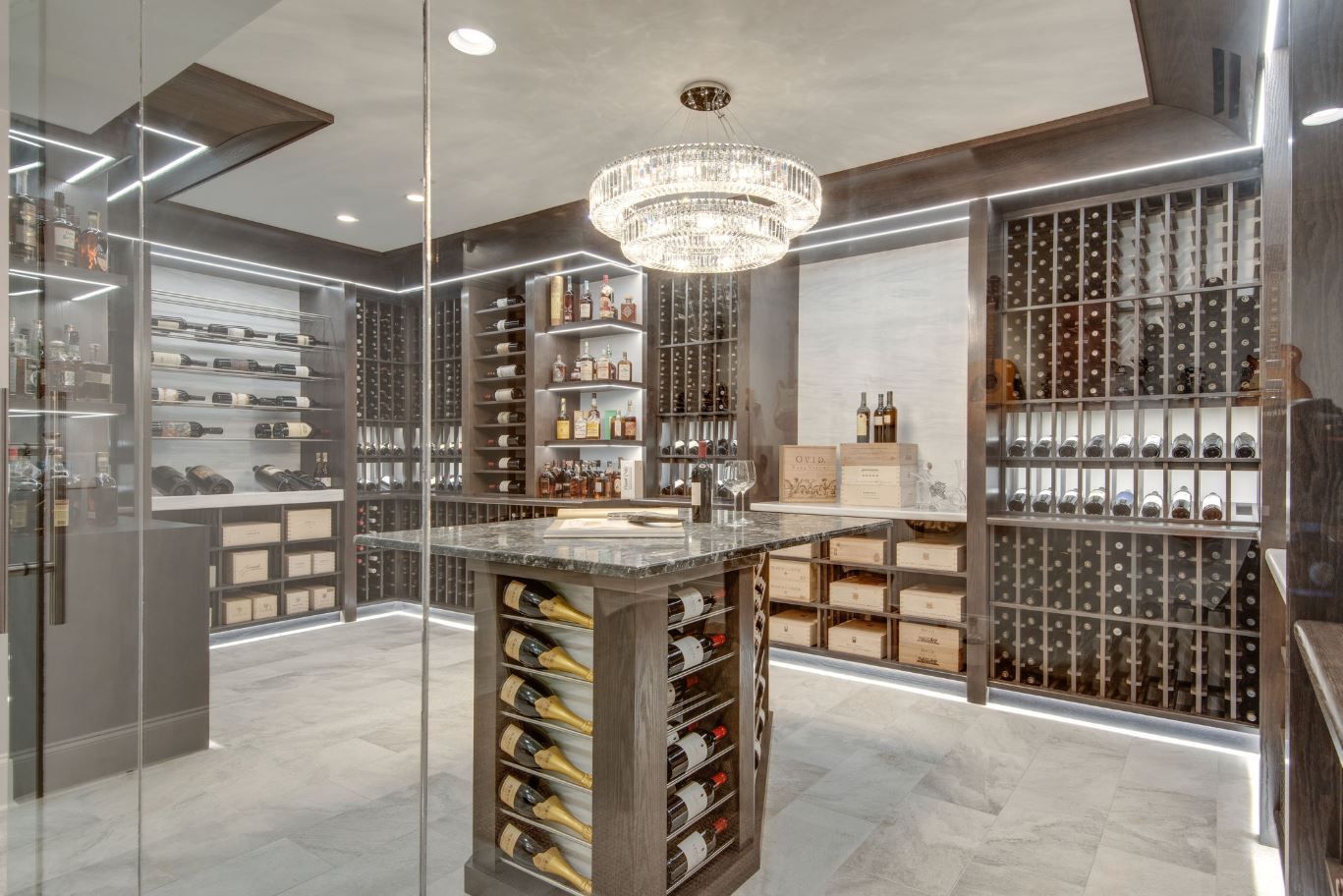
Modular configurations adapt as your collection evolves. These systems permit incremental expansion without complete redesign, accommodating acquisition patterns that fluctuate with vintage releases and auction opportunities. Premium modular solutions feature adjustable depth settings that accommodate various bottle silhouettes—from slender Rieslings to corpulent Champagnes.
The architectural flexibility inherent in modular designs proves particularly advantageous for bespoke installations in challenging floor plans. Angled walls, support columns, and mechanical intrusions become design opportunities rather than obstacles.
Method 2: Categorize by Varietal and Region
Geographical organization streamlines selection during dinner planning. Dedicate distinct zones to Burgundy, Barolo, Napa Valley, and other appellations, creating intuitive navigation paths. This taxonomy reduces retrieval time while preventing unnecessary ambient temperature exposure during browsing sessions.
Within regional sections, further stratify by varietal characteristics. Position lighter-bodied expressions at eye level for frequent consumption, relegating age-worthy collectibles to less accessible positions where they'll remain undisturbed.
Method 3: Vertical Stacking with Label-Forward Display
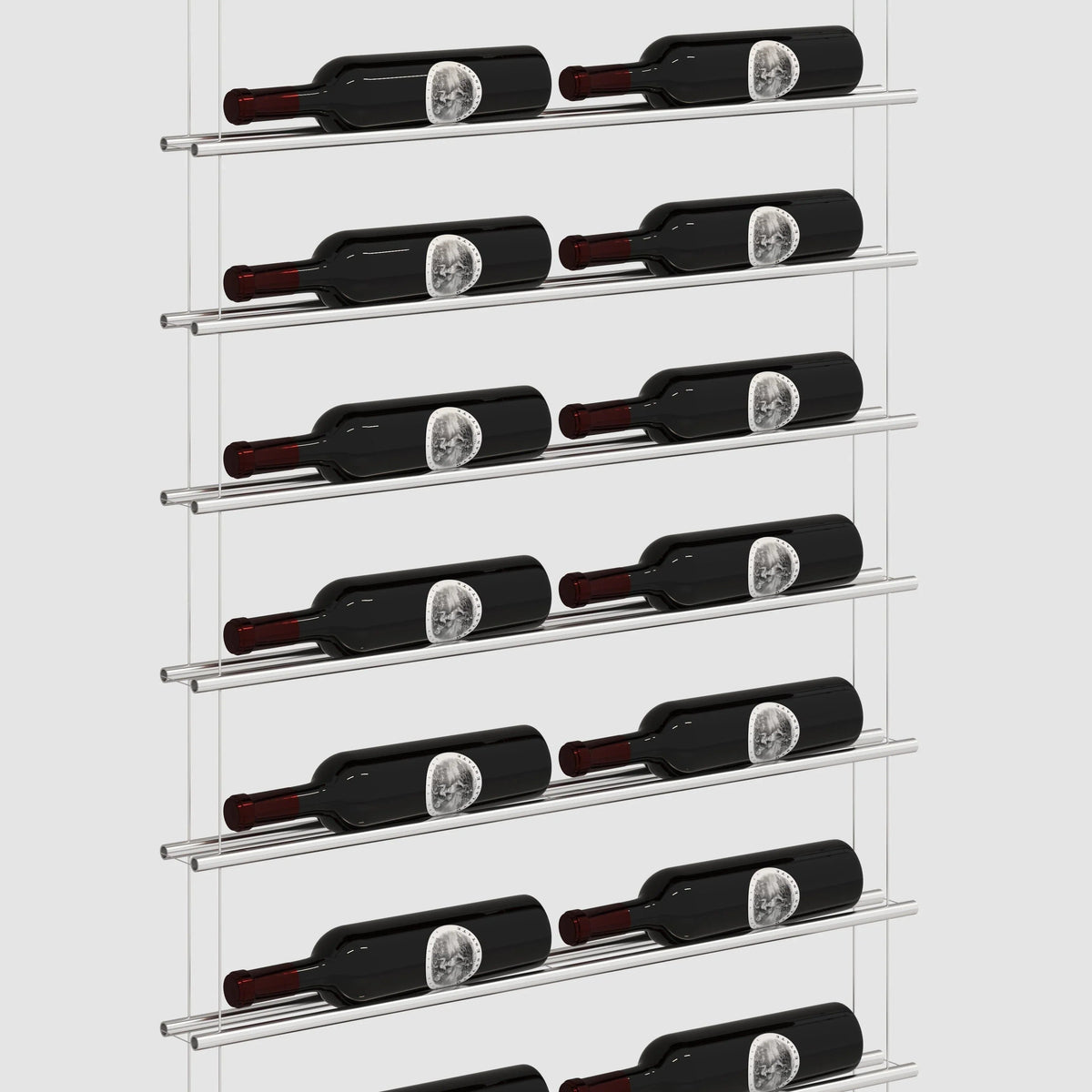
Label-forward presentation eliminates guesswork while adding visual drama to cellar aesthetics. This orientation showcases your collection's breadth, transforming storage into gallery-worthy installation. Cable racking systems excel at this presentation style, suspending bottles in tensioned cradles that maximize visibility.
Consider the following advantages of vertical label-forward arrangements:
- Immediate vintage identification without bottle disturbance
- Enhanced aesthetic appeal for showpiece cellars
- Simplified inventory management and rotation protocols
- Reduced handling-related cork disturbance
Method 4: Incorporate Diamond Bins for Bulk Storage
Diamond-configured compartments optimize volume efficiency for everyday drinking wines. These geometric modules accommodate irregular bottle quantities while maintaining visual symmetry. Reserve diamond bins for cases purchased for near-term consumption, keeping investment-grade vintages in individual cradles.
This bifurcated approach—individual slots for collectibles, bulk bins for daily selections—creates functional hierarchy within your organizational framework.
Method 5: Utilize Understairs and Alcove Spaces
Custom Millwork for Irregular Geometries
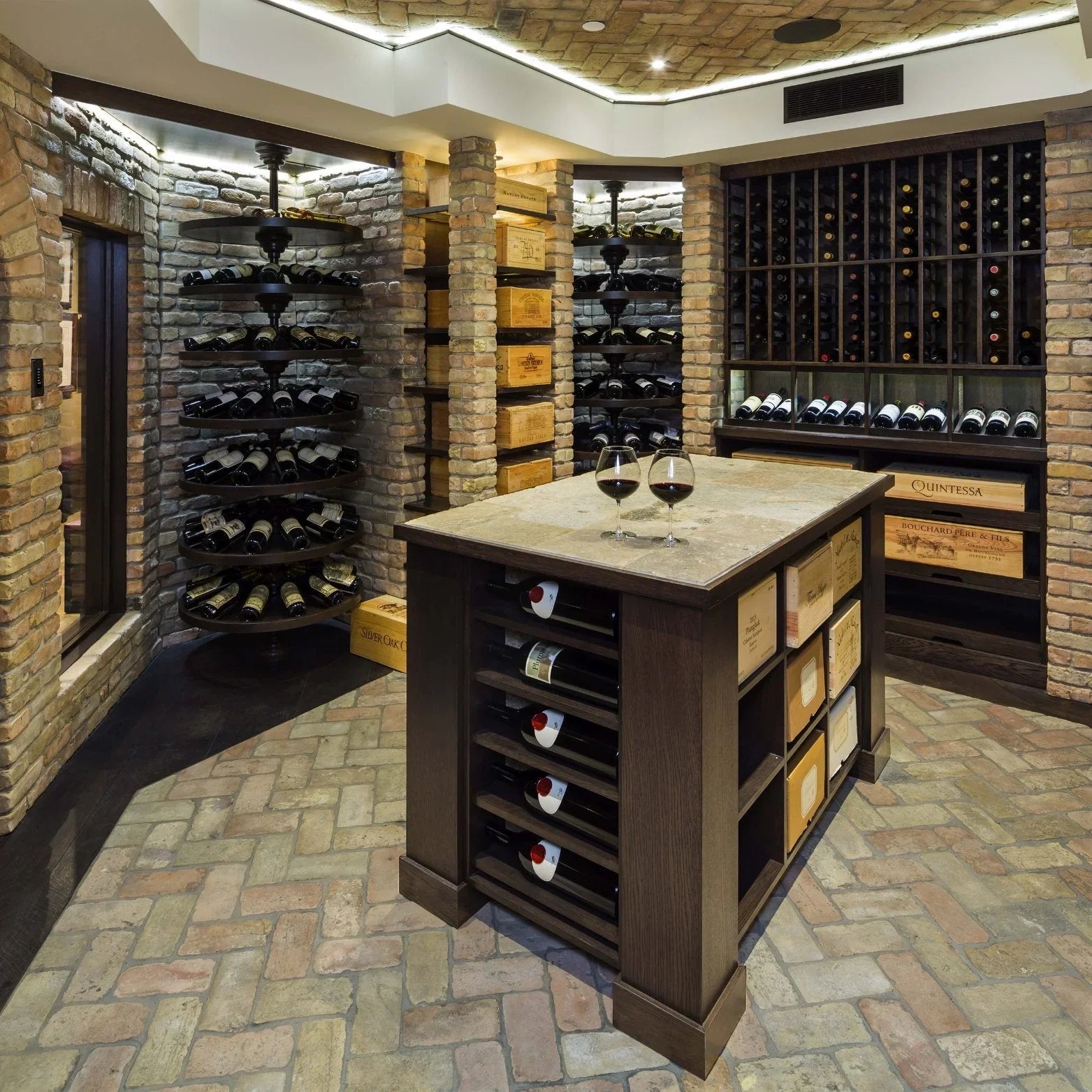
Architectural anomalies often represent untapped storage potential. Commissioning bespoke cabinetry for staircases, basement alcoves, or sloped ceiling areas extracts capacity from previously wasted volumetric envelopes. Spiral cellar installations exemplify this principle, excavating vertical depth beneath existing structures.
Climate Considerations in Non-Traditional Spaces
Unconventional locations require supplemental environmental controls. Specify dedicated cooling units with redundant monitoring systems to maintain optimal humidity and temperature parameters regardless of spatial constraints.
Method 6: Establish a Digital Inventory Management System
Physical organization achieves maximum efficacy when paired with digital cataloging. Contemporary cellar management applications track acquisition dates, drinking windows, and precise bottle locations. Barcode scanning accelerates data entry while minimizing transcription errors.
A sophisticated inventory system transforms your cellar from static storage into a dynamic resource, enabling data-driven decisions about consumption timing and portfolio diversification.
Method 7: Design for Future Expansion
Anticipatory planning accommodates collection growth without necessitating disruptive retrofits. Allocate twenty to thirty percent reserve capacity during initial installation. Specify electrical infrastructure for additional cooling zones, and select racking systems with expansion compatibility.
Residential developers incorporating wine storage as an amenity feature should prioritize adaptable designs that serve various collector profiles—from novice enthusiasts to seasoned oenophiles requiring archival-grade environments.
How Does Proper Wine Cellar Organization Preserve Wine Quality?
Strategic organization minimizes bottle movement, preserving sediment integrity in aged wines. Consistent positioning prevents cork degradation from repeated angle changes. Temperature stratification—cooler zones near floor level, slightly warmer air ascending—allows precision placement based on varietal requirements.
Moreover, streamlined organization reduces door-open duration during bottle retrieval, maintaining stable ambient conditions essential for long-term preservation.
Implementing these professional methodologies elevates wine storage from functional necessity to sophisticated asset management. Whether outfitting a commercial hospitality venue or curating a private collection, thoughtful organization maximizes spatial potential while safeguarding your liquid investments for decades of optimal enjoyment.