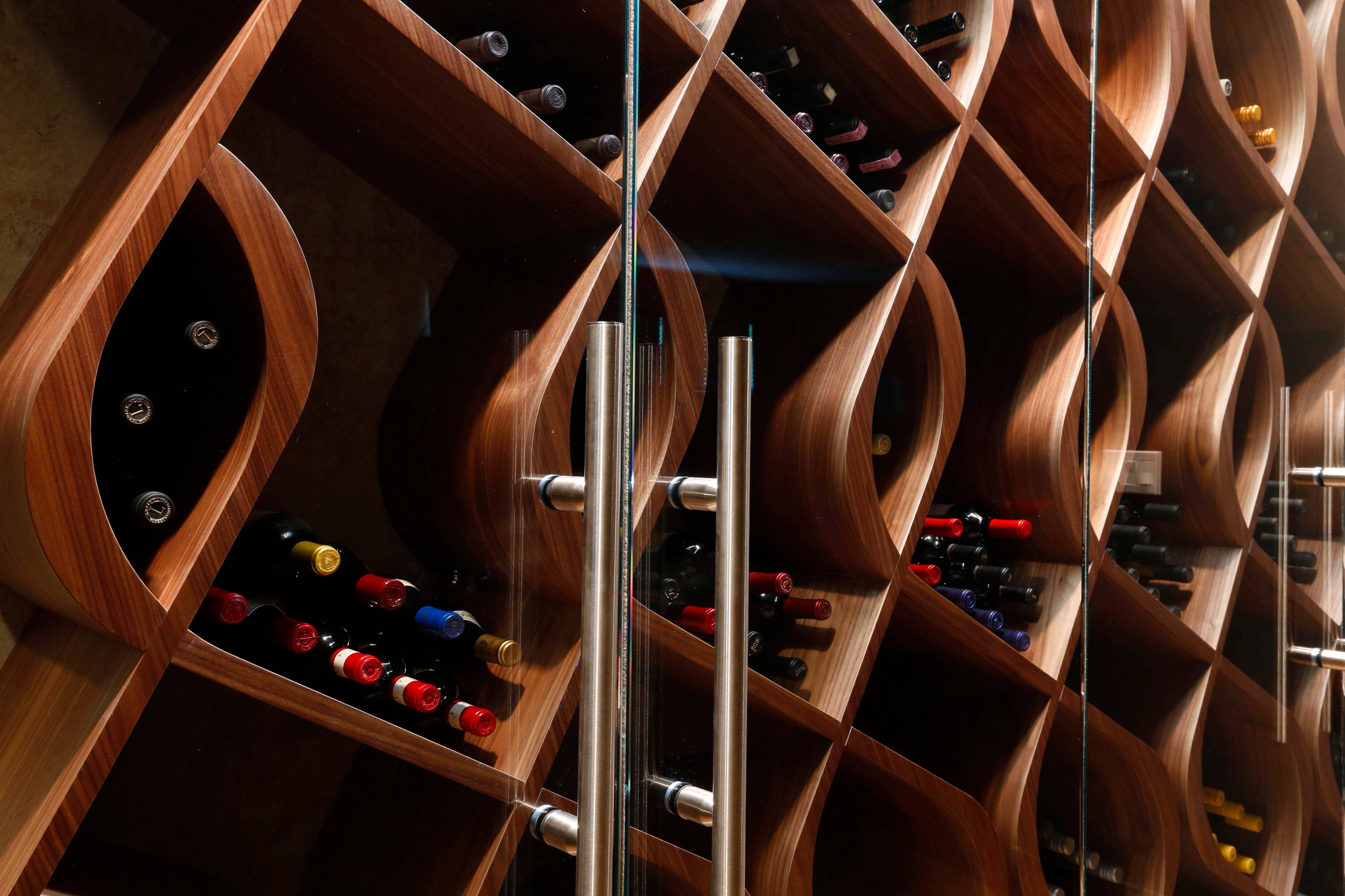
Article: High-Capacity Wine Cooling Systems for Large Collections
High-Capacity Wine Cooling Systems for Large Collections
Curating an extensive wine collection demands more than passion—it requires sophisticated infrastructure to preserve each bottle's integrity. When your portfolio spans hundreds or thousands of specimens, standard residential cooling proves woefully inadequate. The orchestration of temperature, humidity, and air circulation becomes paramount for safeguarding your liquid investments.
Understanding Thermal Load in Expansive Wine Repositories
Large-scale wine repositories generate substantial thermal challenges that escalate exponentially with volume. Every bottle introduces additional heat mass, while frequent access, ambient conditions, and spatial dimensions compound the cooling burden. A meticulously designed system must counteract these variables while maintaining unwavering environmental stability.
The thermal envelope of your cellar—comprising walls, ceiling, flooring, and entryways—dictates the baseline cooling capacity required. Inadequate insulation translates to perpetual energy expenditure and temperature fluctuations. Professional-grade installations account for BTU calculations that factor spatial cubic footage, insulation R-values, geographical climate zones, and anticipated occupancy patterns.
Engineered Solutions for High-Volume Collections
Serious oenophiles and commercial establishments require industrial-strength refrigeration apparatus capable of handling substantial cubic footage. Split systems, ducted configurations, and self-contained units each present distinct advantages depending on architectural constraints and aesthetic considerations.
The KoolR Magnum Advantage
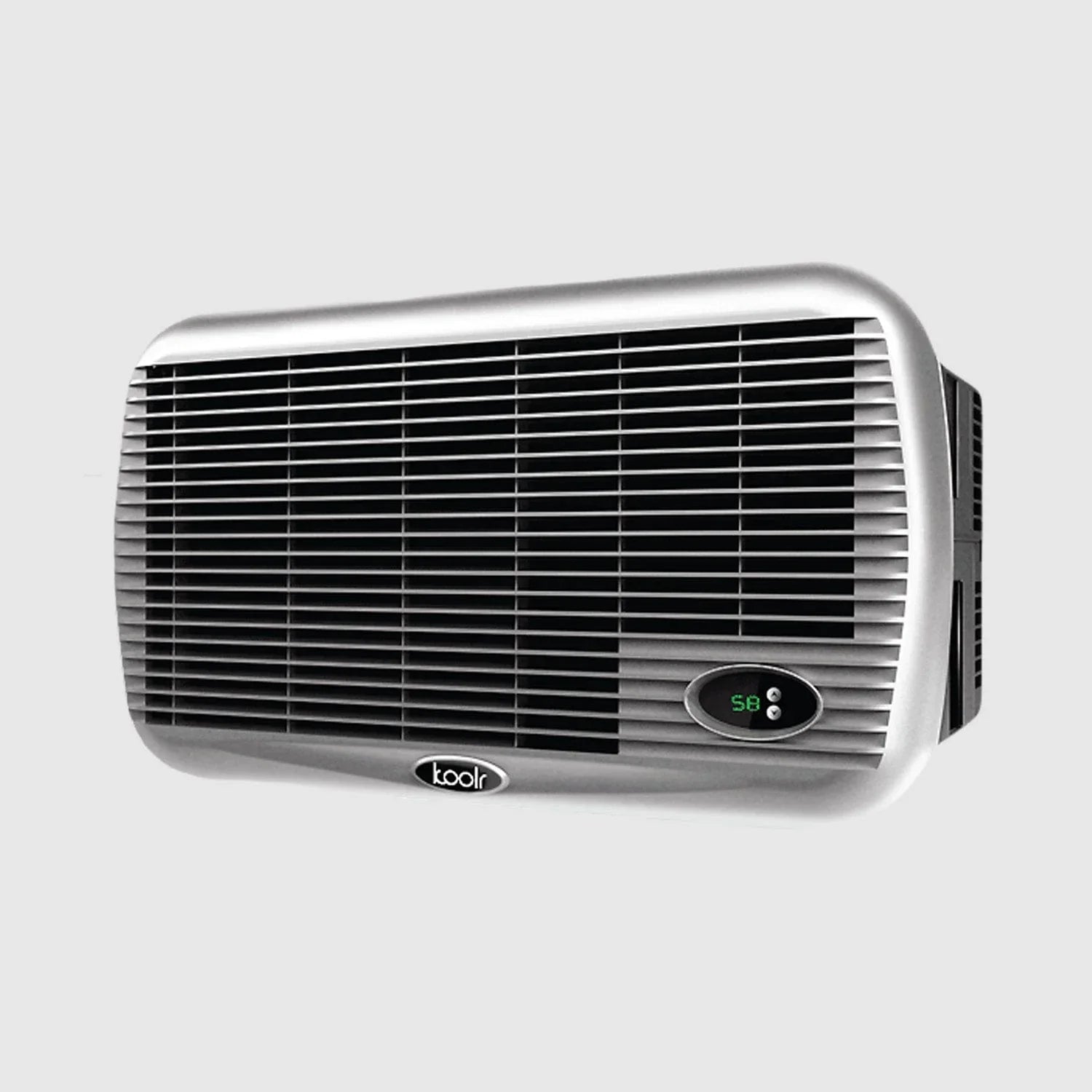
For collections demanding professional-grade performance, the KoolR Magnum stands as an exemplar of engineering prowess. This powerhouse accommodates cellars up to 600 cubic feet, delivering whisper-quiet operation alongside precise climate governance. Its digital controls permit granular adjustments, while the robust compressor ensures consistent performance even under demanding thermal loads.
The unit's split-system architecture enables discreet installation, positioning the condenser remotely to minimize vibration and acoustic intrusion within your tasting sanctuary. This configuration proves particularly advantageous for residential installations where noise abatement remains paramount.
Critical Environmental Parameters
Wine's archenemies manifest as temperature volatility and humidity extremes. Optimal preservation occurs within a narrow band—typically 55-58°F with 60-70% relative humidity. Deviations trigger premature oxidation, cork degradation, or label deterioration.
A fluctuation of merely five degrees can accelerate aging by several years, transforming a carefully cellared vintage into a disappointing pour.
High-capacity systems incorporate sophisticated humidistats and thermostatic controls that react instantaneously to environmental shifts. Redundant sensors distributed throughout the space provide comprehensive monitoring, eliminating microclimatic variations that compromise specific storage zones.
Installation Considerations for Premium Systems
Retrofitting cooling apparatus into existing architecture presents unique challenges. Structural modifications, electrical upgrades, condensate drainage, and ventilation pathways require meticulous planning. Consultation with specialists ensures compliance with manufacturer specifications while addressing building codes.
Condensation management proves particularly crucial. High-performance units generate substantial moisture that demands proper evacuation to prevent structural damage or mold proliferation. Gravity drains, condensate pumps, or evaporative systems each suit different installation scenarios.
Energy Efficiency and Operational Economics
While initial investment in premium cooling infrastructure appears substantial, long-term operational costs favor quality equipment. Modern systems incorporate variable-speed compressors, intelligent defrost cycles, and optimized refrigerant pathways that dramatically reduce electrical consumption.
| System Feature | Annual Impact |
|---|---|
| Variable-speed compressor | 30-40% energy reduction |
| Programmable setbacks | 15-20% cost savings |
| Smart diagnostics | Preventative maintenance alerts |
Maintenance Protocols for Longevity
Even the most robust cooling apparatus demands regular servicing to sustain peak performance. Quarterly inspections should encompass:
- Condenser coil cleaning to maintain heat exchange efficiency
- Refrigerant charge verification and leak detection
- Electrical connection tightening and voltage assessment
- Fan motor lubrication and bearing inspection
- Control calibration and sensor accuracy validation
Establishing a preventative maintenance agreement with qualified technicians safeguards your investment while ensuring uninterrupted operation. Emergency failures during critical aging periods can prove catastrophic to irreplaceable vintages.
Selecting the Appropriate Capacity
Undersized equipment operates continuously, struggling to achieve target conditions while accumulating premature wear. Conversely, oversized units cycle excessively, creating temperature swings and inefficient operation. Professional load calculations remain indispensable for matching equipment capacity to actual requirements.
As your collection evolves, scalability considerations become essential. Modular systems or provisions for supplementary units enable expansion without complete infrastructure replacement. Forward-thinking design accommodates future growth while optimizing current performance.
Investing in high-capacity wine cellar cooling systems transcends mere temperature control—it represents a commitment to preserving vinous treasures for generations. With proper specification, installation, and maintenance, these sophisticated systems become silent guardians of your passion.