How to Organize Wine Collections Like a Professional Sommelier
A meticulously curated wine collection deserves an organizational framework that honors both its intrinsic value and aesthetic potential. Professional sommeliers employ systematic methodologies that transcend mere storage, transforming cellars into functional repositories of vinous excellence. Understanding these sophisticated principles elevates your approach from casual accumulation to deliberate curation.
Understanding the Foundation of Professional Wine Organization
The cornerstone of professional wine management lies in establishing a logical taxonomy. Sommeliers categorize bottles by multiple vectors: varietal, region, vintage, and drinking window. This multi-dimensional approach facilitates rapid retrieval while preserving optimal aging conditions. Geographic stratification proves particularly valuable, as it groups wines sharing similar flavor profiles and serving requirements.
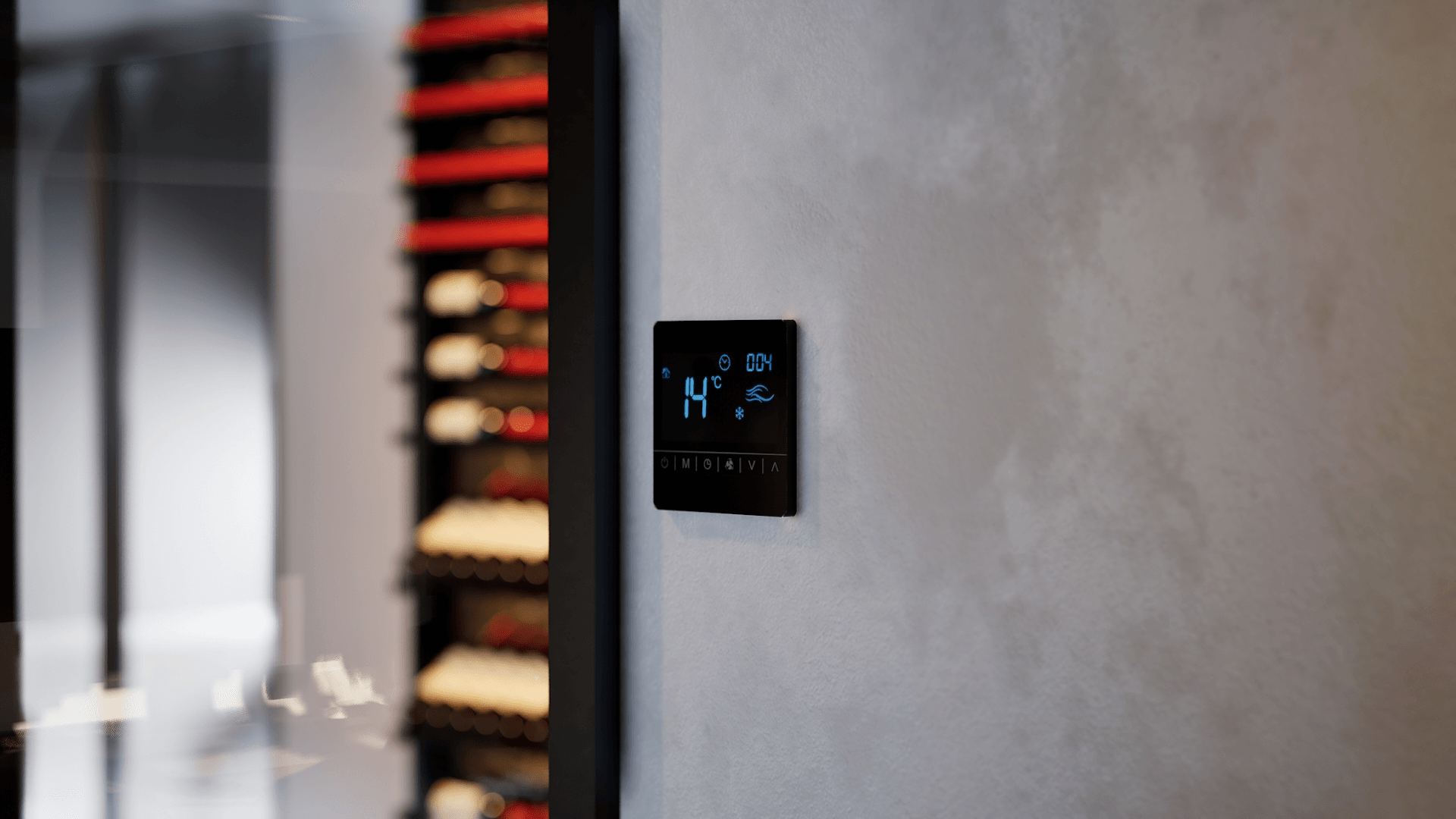
Climate control remains paramount. Temperature fluctuations precipitate premature oxidation and compromise longevity. Professional-grade cooling units maintain consistent thermal conditions between 55-58°F, with humidity levels hovering around 70%. This environmental stability ensures your investment matures gracefully rather than deteriorating prematurely.
Implementing Strategic Placement Protocols
Horizontal Storage and Accessibility
Cable wine racks provide architectural elegance while maintaining proper horizontal positioning. This orientation keeps corks saturated, preventing air infiltration that causes spoilage. The system's visual transparency allows immediate inventory assessment without physical manipulation.
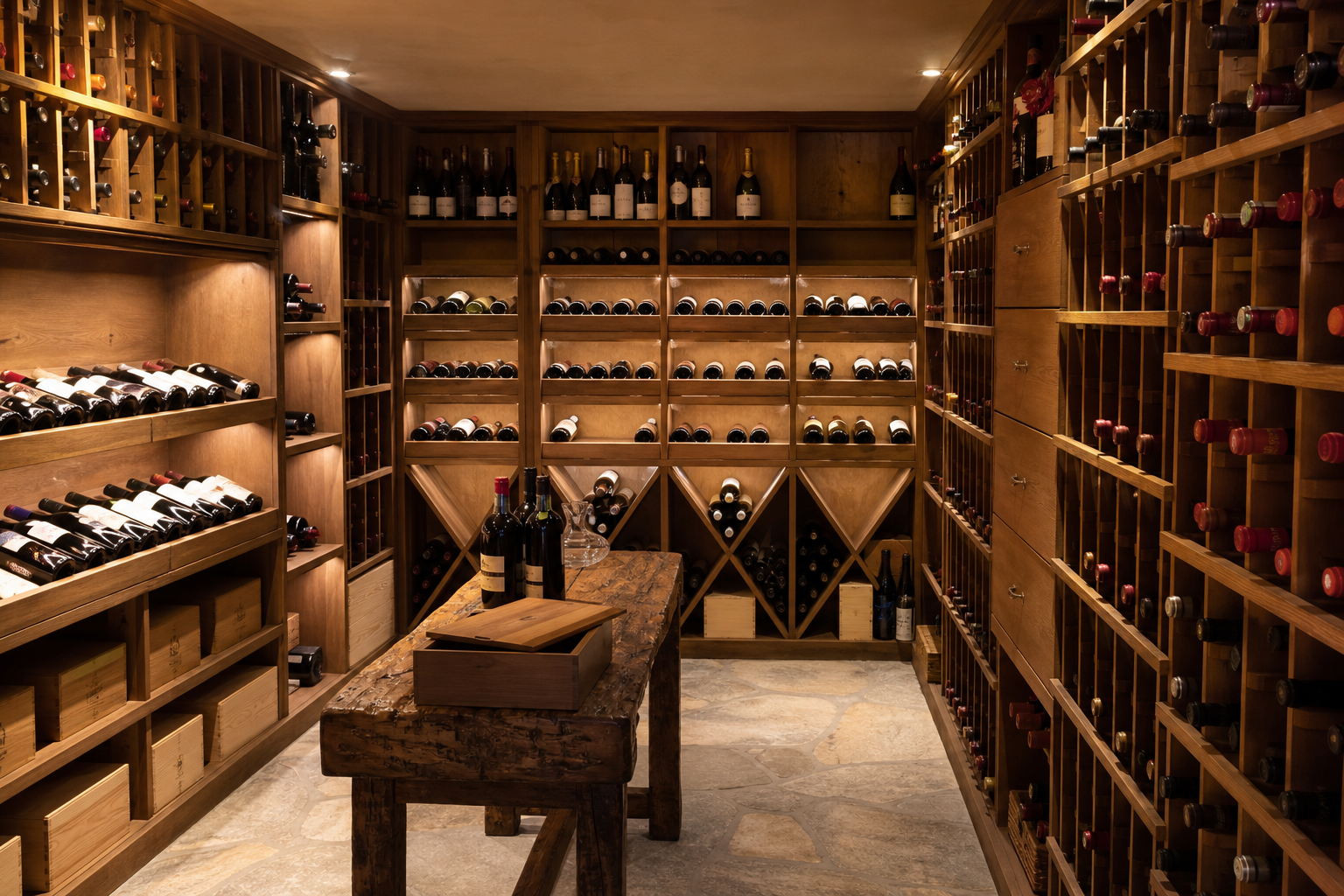
Strategic placement considers consumption frequency. Daily drinkers occupy accessible lower positions, while investment-grade bottles destined for extended maturation reside in less-trafficked zones. This deliberate arrangement minimizes unnecessary handling and temperature disruption.
Creating Zones Within Your Cellar
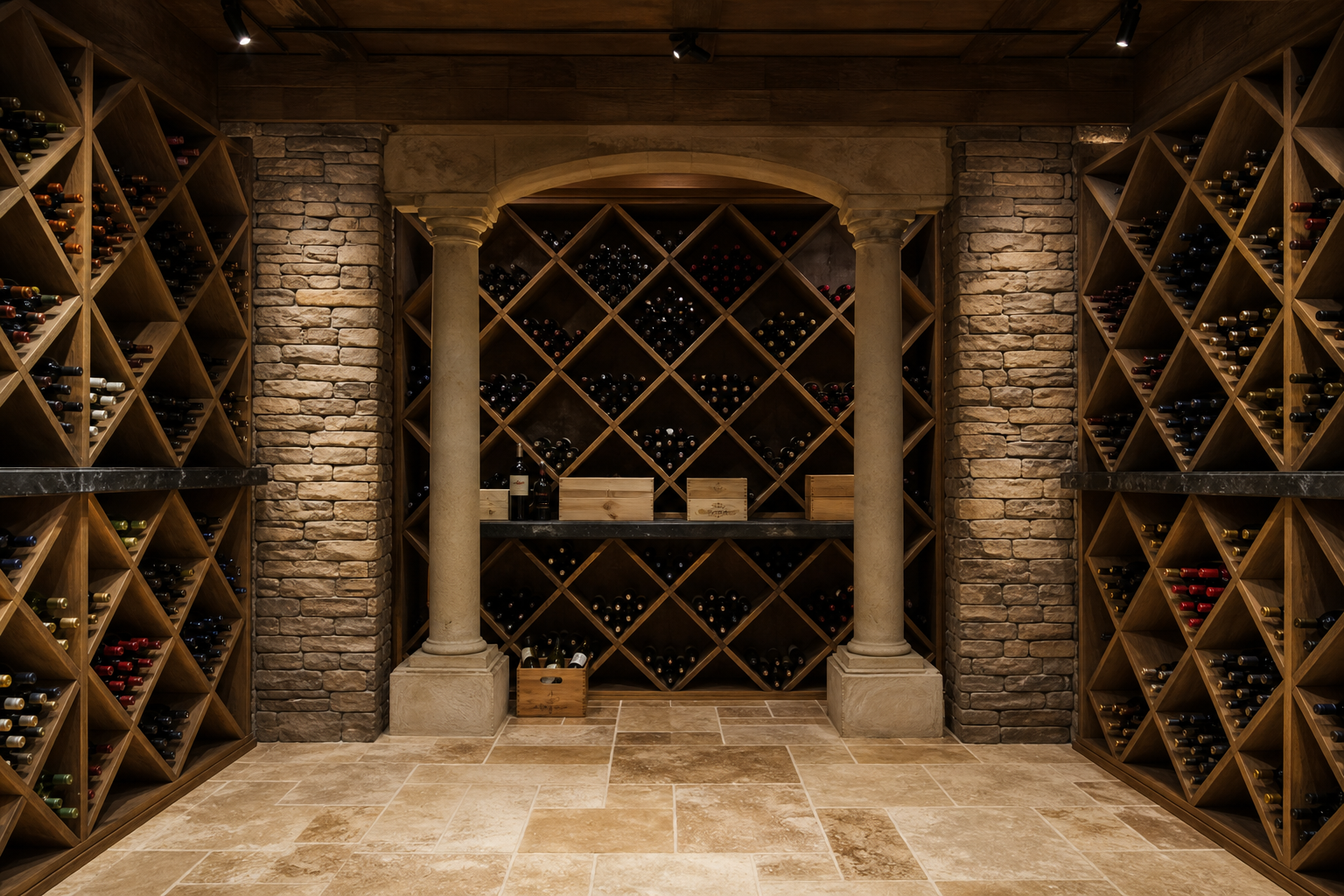
Professional organization demands spatial delineation. Dedicate distinct sections to various categories:
- Ready-to-drink selections requiring immediate access
- Medium-term holdings approaching optimal maturity windows
- Long-term investments requiring decade-plus cellaring
- Large-format bottles demanding specialized racking dimensions
This compartmentalization streamlines selection processes during entertaining while protecting developing vintages from premature opening.
Documentation and Inventory Management
Sommeliers maintain comprehensive cellar logs documenting acquisition dates, provenance, and tasting notes. Digital cataloging systems enable sophisticated querying, revealing consumption patterns and valuation trajectories. This documentation proves invaluable for insurance purposes and strategic purchasing decisions.
A well-documented collection transforms from mere accumulation into a dynamic portfolio reflecting your evolving palate and investment acumen.
Implement a consistent labeling nomenclature. Whether utilizing proprietary numbering systems or geographic abbreviations, consistency ensures seamless navigation even as collections expand into hundreds or thousands of bottles.
Optimizing Your Storage Infrastructure
| Storage Element | Professional Standard | Purpose |
|---|---|---|
| Temperature | 55-58°F | Prevents premature aging |
| Humidity | 65-75% | Maintains cork integrity |
| Light Exposure | Minimal/None | Prevents UV degradation |
| Vibration | Zero | Avoids sediment disturbance |
Spiral cellars represent the apogee of residential wine storage, combining subterranean thermal stability with space efficiency. These architectural marvels create naturally consistent environments while serving as dramatic focal points within luxury homes.
Advanced Considerations for Serious Collectors
As collections mature, consider implementing rotation protocols. Periodically assess bottles approaching their drinking windows, relocating them to accessible positions. This proactive management prevents missed opportunities when wines pass their optimal expression.
Cellar doors should provide both security and environmental sealing. Professional-grade installations feature thermal breaks and weatherstripping that maintain interior conditions while complementing surrounding architectural aesthetics.
Is Professional Organization Worth the Investment?
The distinction between haphazard storage and professional organization manifests in both preservation quality and experiential satisfaction. Systematically organized collections yield superior drinking experiences, as each bottle reaches your glass at its intended apex. Moreover, the aesthetic presentation transforms storage spaces into showcases worthy of the treasures they contain.
For collectors with substantial holdings, professional design consultations optimize spatial utilization while ensuring technical specifications meet preservation requirements. Complimentary design previews allow visualization before implementation, ensuring alignment between functional needs and aesthetic aspirations.
The methodology behind professional wine organization transcends simple arrangement. It represents a philosophy honoring craftsmanship, patience, and the transformative journey from grape to glass. Implementing these principles elevates your collection from inventory to legacy.