Luxury Wine Cellar Ideas: Sophisticated Design Inspiration
The Art of Curating Temperature-Controlled Sanctuaries
Discerning oenophiles understand that exceptional vintages demand more than mere shelf space—they require meticulously engineered environments that honor both provenance and presentation. Luxury wine cellar design transcends functional storage, transforming into an architectural statement that elevates your collection while safeguarding its investment value. Contemporary affluent homeowners increasingly view custom wine storage systems as essential amenities, blending conservation science with aesthetic grandeur.
The foundation of sophisticated cellar design rests upon harmonizing environmental precision with visual magnetism. Climate stabilization, UV protection, and vibration dampening constitute the trinity of preservation, yet these technical imperatives need not compromise elegance. Modern luxury wine cellar ideas seamlessly integrate refrigeration infrastructure within bespoke cabinetry, wrought-iron portals, and illumination schemes that accentuate rather than obscure your collection's splendor.
Exploring Premium Storage Configurations
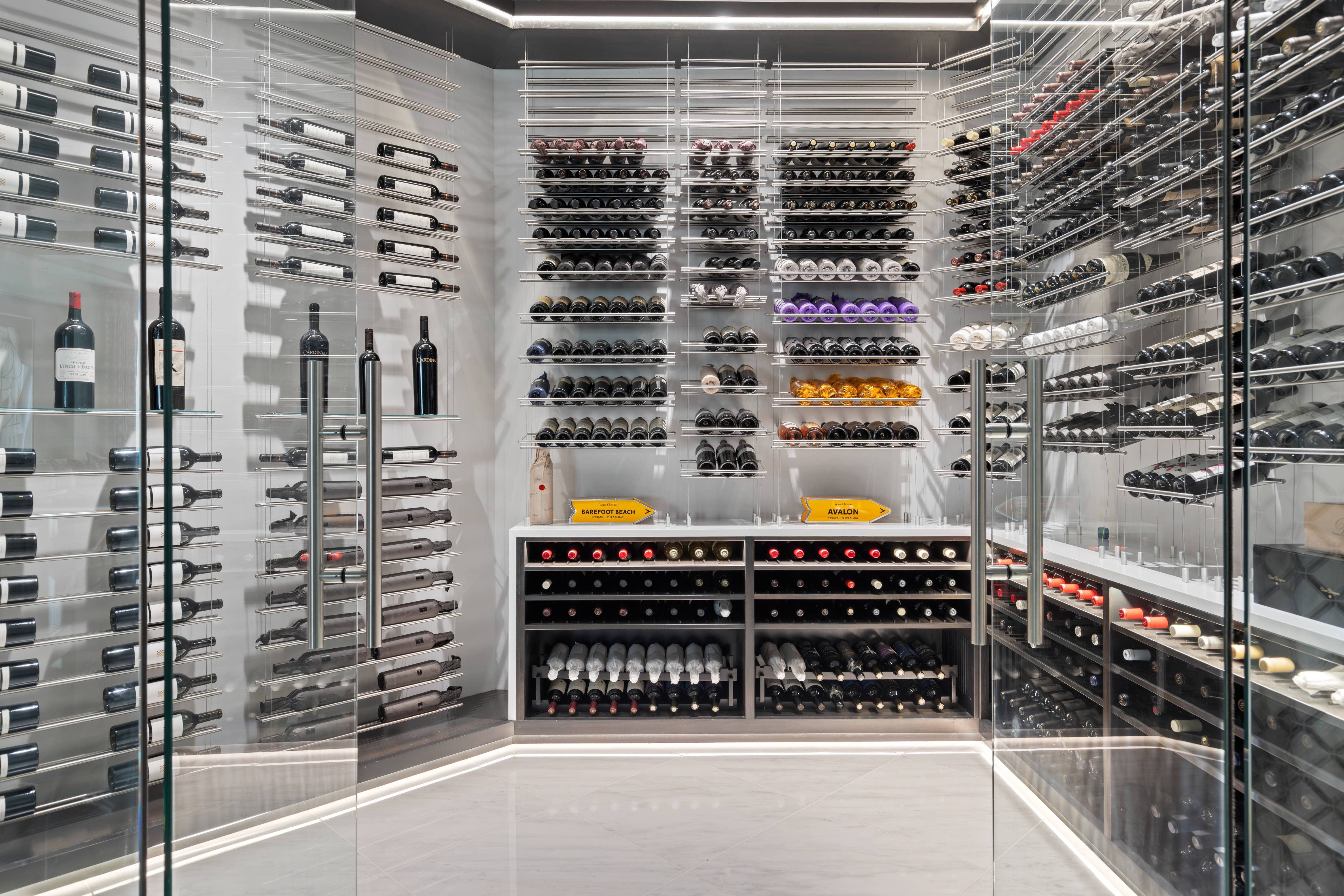
Selecting the optimal racking architecture demands careful consideration of your collection's composition and spatial constraints. Cable wine racking systems have emerged as the preferred choice among connoisseurs seeking minimalist sophistication. These tensioned-cable configurations suspend bottles in floating displays, maximizing visual transparency while maintaining structural integrity. The slender profile permits light penetration and creates mesmerizing depth perception—particularly striking in glass-enclosed installations.
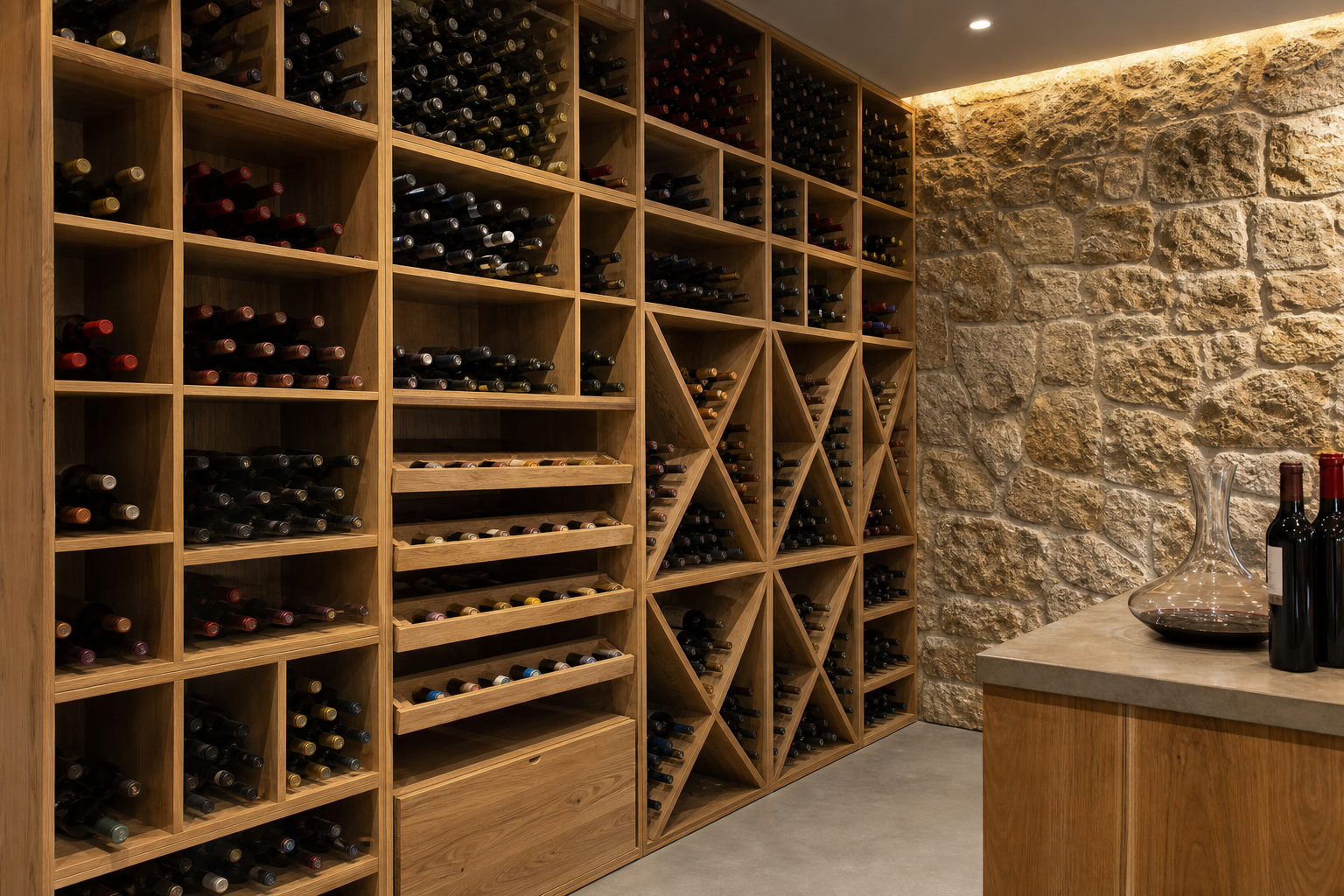
Traditional rack wine rack systems remain timeless for collectors valuing classical aesthetics. Mahogany, walnut, or reclaimed timber constructions offer warmth and gravitas, particularly when incorporating diamond bins, presentation rows, and case storage compartments. These configurations excel in residential cellars where architectural cohesion with adjacent living spaces proves paramount.
Wall-Mounted Solutions for Compact Spaces
Not every connoisseur possesses sprawling subterranean vaults. Wall mounted wine rack systems deliver vertical efficiency without sacrificing refinement. Contemporary fabricators employ aerospace-grade aluminum, brushed steel, or acrylic to create levitating bottle displays that transform corridors, dining alcoves, or butler's pantries into showcase galleries. These installations prove particularly valuable for urban penthouses where square footage commands premium valuation.
Bespoke Wine Cabinet Integration
Freestanding wine cabinets bridge the continuum between utilitarian storage and furniture artistry. Premium manufacturers now offer climate-controlled armoires featuring dual-zone cooling, hygrometer monitoring, and UV-filtered glazing within hand-crafted casework. These self-contained units suit collectors requiring portable solutions or supplementary aging capacity beyond primary cellar installations.
The most compelling cellar designs achieve equilibrium between technological sophistication and tactile materiality, where preservation systems operate invisibly beneath artisanal surfaces.
Advanced Wine Preservation Systems
Protecting cellared investments necessitates understanding the destructive forces threatening liquid legacies. Wine preservation systems now incorporate precision humidification, active carbon filtration, and whisper-quiet compressor technology. Thermal stability within the critical 55-58°F range prevents premature oxidation, while humidity maintenance between 60-70% safeguards cork integrity.
Progressive installations employ smart monitoring with mobile connectivity, alerting custodians to temperature deviations or equipment malfunctions before irreparable damage occurs. These sentinel technologies particularly benefit collectors maintaining satellite storage locations or dividing time across multiple residences.
Material Selection and Aesthetic Cohesion
Wine storage transcends bottles and racks—it encompasses architectural envelope considerations. Stone flooring, exposed brick, or reclaimed timber cladding establishes atmospheric gravitas while contributing thermal mass that buffers temperature fluctuations. Lighting deserves meticulous specification; LED ribbons with amber spectrums provide adequate illumination without harmful wavelength exposure.
Hardware and Finishing Touches
Entry portals warrant particular attention, serving as thresholds between quotidian spaces and your curated sanctuary. Wrought-iron gates, thermally-broken glass doors with museum-grade seals, or custom-milled timber entries establish ceremonial gravitas. Hardware selections—from door pulls to label holders—should echo your overarching design vocabulary, whether contemporary minimalism or old-world classicism.
Frequently Contemplated Considerations
What capacity planning factors merit consideration? Calculate not merely current holdings but projected acquisitions spanning the next decade, incorporating vertical and case storage for future releases and back-vintages awaiting maturation.
How do commercial installations differ from residential applications? Hospitality venues require accessibility optimization, inventory rotation infrastructure, and often dual-zone configurations separating long-term aging from service-ready selections at optimized serving temperatures.
Crafting luxury wine cellars demands orchestrating multiple specialized disciplines—from HVAC engineering to millwork artisanship. The investment yields dividends through preserved collection value, enhanced property desirability, and the profound satisfaction of creating a personal oenological archive worthy of the treasures it safeguards.